 Save
Save The first time I properly understood Turkish hospitality was standing in a kitchen in Istanbul, watching my friend's mother arrange cheeses and olives on a worn wooden board like she was composing a painting. She moved with such ease, selecting this olive here, that cheese there, drizzling honey with the confidence of someone who'd done it a thousand times. That simple board—just cheese, olives, bread, and honey—became the centerpiece of our afternoon, a reason to slow down and talk for hours. Now whenever I make this, I'm recreating that feeling of generosity and calm.
I made this board for my book club once when I'd overcommitted and had no time to cook. Instead of stressing, I leaned into it—splurged on really good cheese, found those brined olives I'd been meaning to try, and warmed fresh pita. Everyone assumed I'd spent hours preparing, and honestly, it was the most relaxed I'd felt hosting in months. That's when I realized this wasn't a shortcut, it was its own kind of cooking.
Ingredients
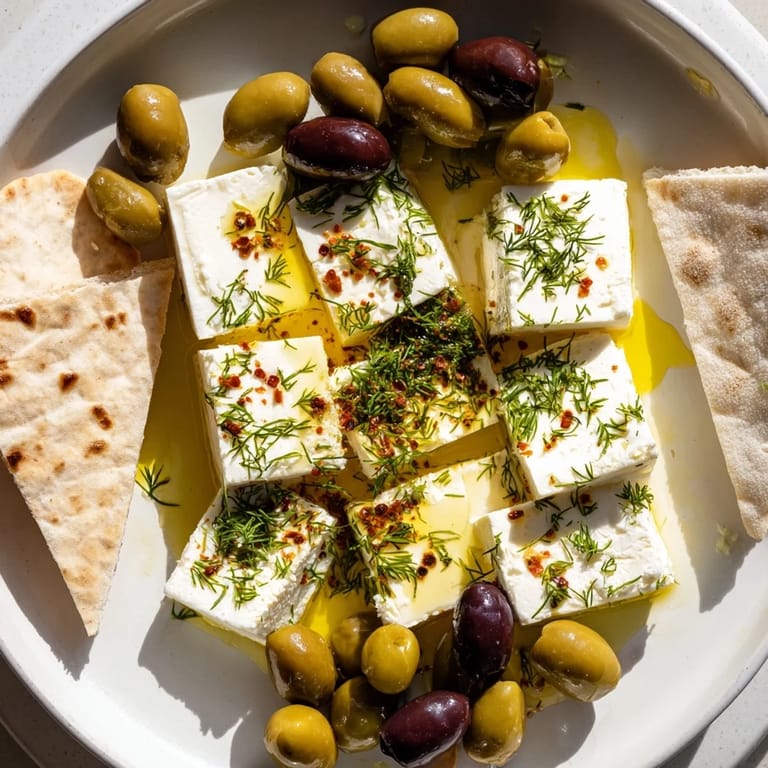
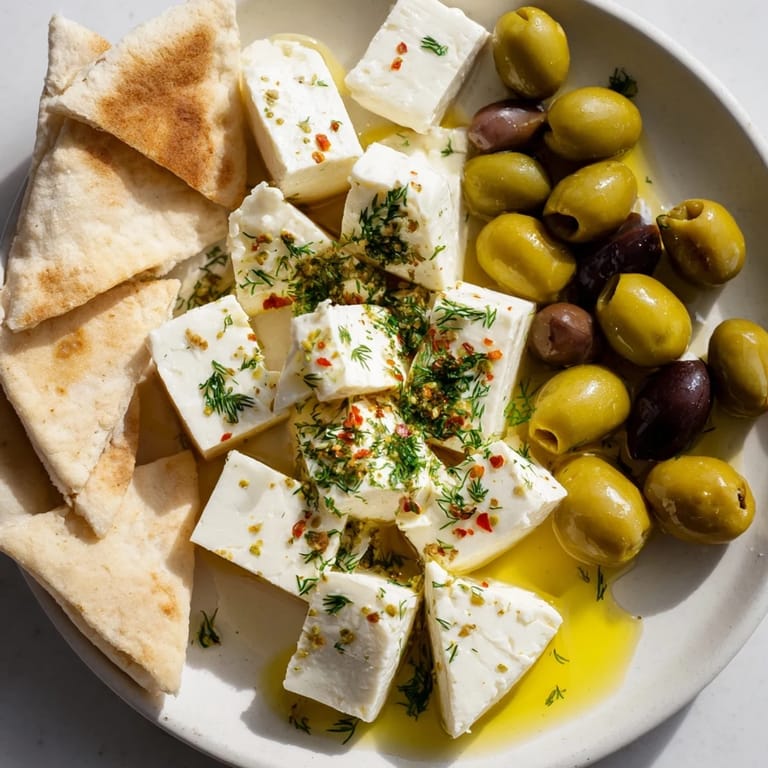
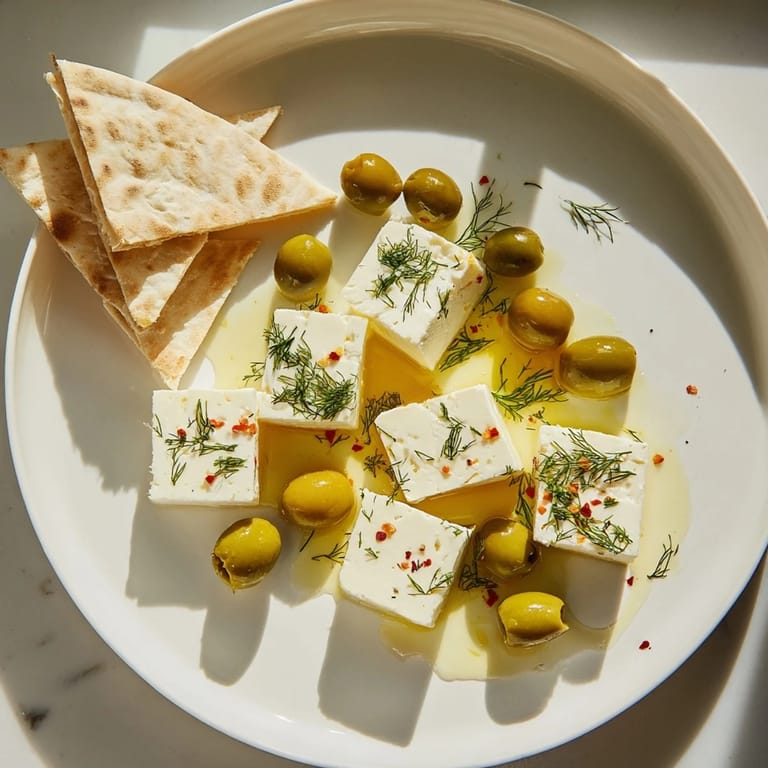
- Feta cheese: Buy it in blocks and cut it yourself into cubes—pre-crumbled loses its texture and appeal on a board like this.
- Beyaz peynir (Turkish white cheese): This mild, slightly springy cheese is worth seeking out, but creamy mozzarella works if your market doesn't carry it.
- Brined green olives: The bright, crisp ones with a slight bitterness—they're what make this board sing.
- Brined black olives: Look for ones packed in brine, not oil, so they stay firm and flavorful.
- Honey: Use real honey, not the squeezable kind—it pools more beautifully and tastes richer.
- Pita bread: Fresh pita that's still soft is essential; stale pita defeats the whole purpose.
- Fresh dill or parsley: These aren't optional if you want that authentic Turkish brightness.
- Extra virgin olive oil: A good one makes all the difference in the final drizzle.
- Crushed red pepper flakes: Just a pinch, unless you want heat to dominate.
Tired of Takeout? 🥡
Get 10 meals you can make faster than delivery arrives. Seriously.
One email. No spam. Unsubscribe anytime.
Instructions
- Set your stage:
- Choose a board or platter that feels generous—you want room to breathe between elements. I use one that's big enough to make people want to gather around it.
- Place the cheeses:
- Arrange the feta cubes and beyaz peynir slices so they're visible and accessible. Leave natural gaps—this isn't about covering every inch.
- Distribute the olives:
- Put them in small bowls so they don't roll around, or scatter them in little clusters. The contrast of green and black matters visually.
- Add the honey:
- Pour it into a small bowl with a spoon, or drizzle it over one corner of cheese so people can taste the sweetness playing against salt. Both ways work—it's your choice.
- Warm and cut the pita:
- Heat pita briefly in a skillet until it's warm and pliable, then cut into wedges. Warm pita tastes infinitely better than cold, and it's worth the extra minute.
- Finish with herbs and oil:
- Scatter fresh herbs across the board, drizzle olive oil, and add a pinch of pepper flakes. These final touches are what make it feel intentional.
- Serve immediately:
- Bring it to the table while everything's at its best and let people build their own combinations.
 Save
Save My daughter once described this board as "the thing where everyone stops talking and just eats together." She was right. There's something about a spread like this that makes people relax, reach for things without asking, and actually enjoy the moment instead of worrying about manners.
Building Flavor Combinations
The magic of this board is that there's no wrong way to eat it. Some people load up a piece of pita with cheese and a black olive. Others dip cubes of feta into honey first. The real trick is understanding that creamy feta softens the brine of the olives, while honey bridges the salty and the mild. Once you see that pattern, you'll understand why Turkish tables are built this way—every element supports every other element.
Making It Your Own
This board is a foundation, not a formula. I've added sliced cucumber and fresh tomato when I wanted something cooler. Toasted walnuts work beautifully if you want texture and earthiness. Some nights I add a bowl of kalamata olives for a deeper, more complex flavor. The point is to start here and then listen to what your kitchen has to offer and what your guests might love.
Serving & Pairing
This board wants company. Serve it when people can linger, not when they're rushing. A crisp white wine, Turkish tea, or even sparkling water with lemon all work beautifully. The lightness of the board means it won't weigh anyone down, making it perfect for afternoon gatherings, before-dinner appetizers, or those moments when you need to feed people without fuss.
- If you're making this ahead, assemble everything except the warm pita and herbs up to 2 hours before, then finish just before serving.
- Keep olives in their brine until the last moment so they don't dry out on the board.
- A pinch of za'atar sprinkled over the cheese adds another layer if you have it on hand.
 Save
Save This is one of those recipes that reminds you that cooking doesn't always mean following instructions in a pan. Sometimes it means knowing how to say welcome with the things you have.
Recipe Questions & Answers
- → What cheeses are used on the board?
Feta cheese and beyaz peynir, a tangy Turkish white cheese, provide creamy and sharp flavors.
- → Can I substitute the cheeses?
Yes, mild Greek feta or mozzarella can be used if beyaz peynir is unavailable.
- → How should the pita bread be prepared?
Warm pita bread briefly in a skillet or oven, then cut into wedges for serving.
- → What garnishes enhance the platter?
Fresh dill or parsley, a drizzle of extra virgin olive oil, and crushed red pepper flakes add freshness and a mild kick.
- → What drinks pair well with this board?
Crisp white wine or traditional Turkish tea complement the flavors beautifully.