 Save
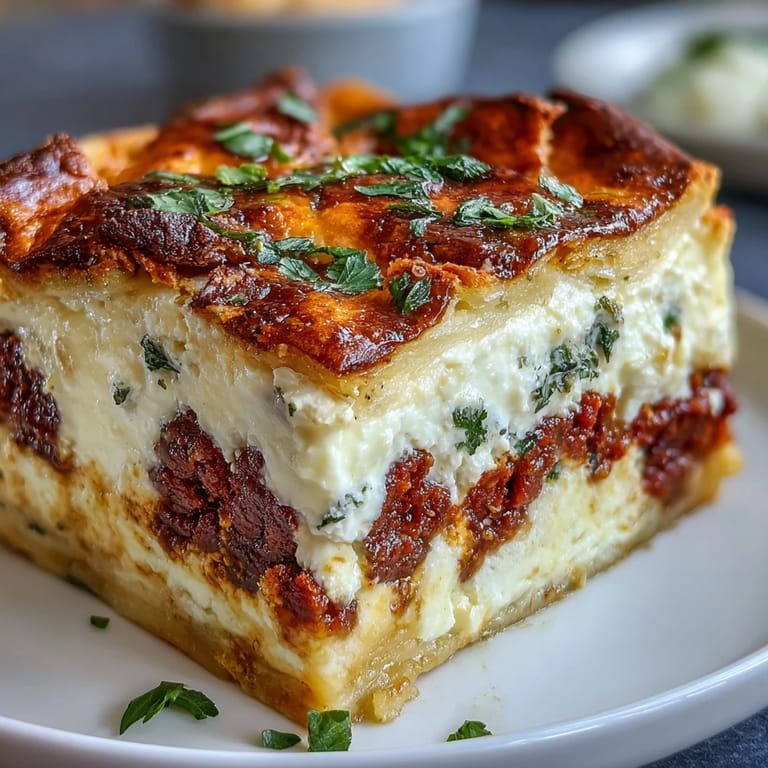
Save My grandmother's kitchen smelled like warm butter and nutmeg every Easter morning, but it wasn't until I was older that I understood the real magic was in this pie. Years of watching her hands work the pastry, seeing how she'd pause to taste the filling and nod with satisfaction, taught me that Italian Easter Pie is less about following rules and more about understanding how textures and flavors should come together. The first time I made it alone, my lattice looked embarrassingly wonky, but when my family bit through that golden crust into the creamy, salty, herb-flecked filling, no one cared about perfection. They just wanted seconds.
I brought this pie to a potluck once thinking it might get lost among the other dishes, but I watched three different people return to it throughout the afternoon, each time with a slightly larger slice. Someone's mother asked for the recipe, and I realized right then that this wasn't just food—it was the kind of thing that makes people feel cared for. There's something about serving a whole pie that says you spent time thinking about the people eating it.
Ingredients
- All-purpose flour (2 1/2 cups): The foundation of your crust, and it matters that it's cold-worked into the butter to create those tender, flaky layers everyone expects.
- Unsalted butter, cold and cubed (1/2 cup): Cold is non-negotiable here because it's what creates those little pockets of steam that make pastry sing.
- Salt (1/2 teaspoon for pastry): Just enough to enhance without announcing itself.
- Large eggs (2 for pastry, 4 for filling): The eggs in the pastry bind everything together, while the filling eggs are what give it that custardy, set texture.
- Cold water (2-3 tablespoons): Add it slowly and only as much as you need—too much and your pastry becomes tough.
- Whole-milk ricotta cheese, well drained (2 cups): This is crucial: drain it thoroughly or your filling will be watery and the crust will suffer for it.
- Heavy cream (1/2 cup): This is what makes the filling luxurious and creamy instead of just dense.
- Parmigiano-Reggiano cheese, grated (1 cup): Use the real thing and grate it yourself if you can—the flavor difference is the difference between good and memorable.
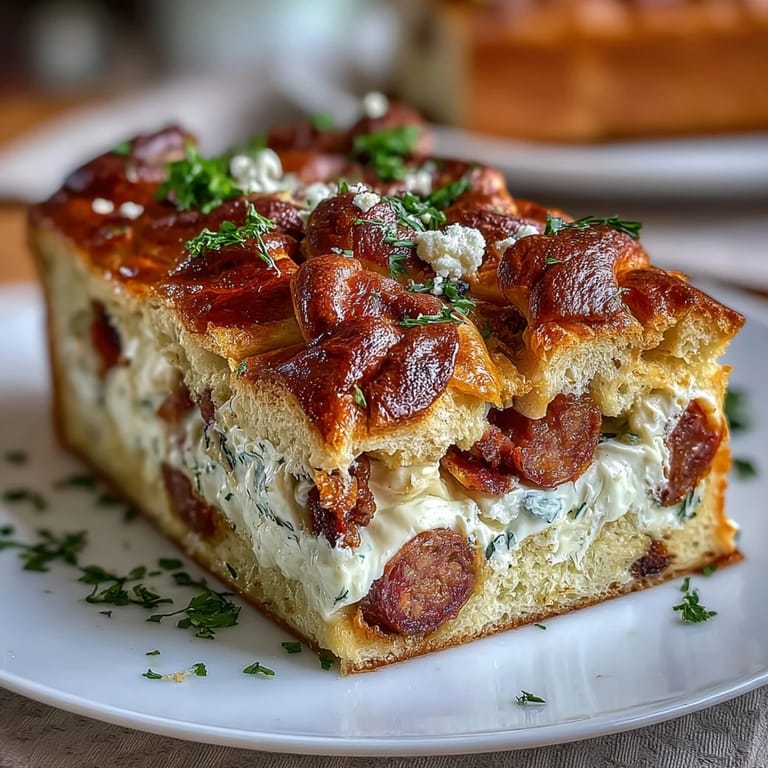
- Italian salami, diced (1 1/2 cups): The salty, savory anchor that makes people pause and ask what that amazing flavor is.
- Shredded mozzarella cheese (1 cup): It melts into the filling and creates a tender, almost creamy texture.
- Fresh parsley, chopped (1/4 cup): Don't skip this—it adds a brightness that keeps the richness from being overwhelming.
- Ground black pepper and nutmeg (1/2 teaspoon pepper, 1/4 teaspoon nutmeg): The nutmeg is the secret whisper that makes people wonder what they're tasting.
- Beaten egg (for egg wash): This is what gives you that deep golden-brown crust that looks like it came from a bakery.
Tired of Takeout? 🥡
Get 10 meals you can make faster than delivery arrives. Seriously.
One email. No spam. Unsubscribe anytime.
Instructions
- Get your space ready:
- Preheat your oven to 375°F and grease your 9-inch springform or pie pan thoroughly. You want everything prepared because once you start working with the filling, you won't want delays.
- Make the pastry dough:
- In a large bowl, mix flour and salt together, then cut in the cold butter pieces until the mixture looks like coarse breadcrumbs. Add the eggs and just enough cold water to bring it together into a soft dough. The goal is to handle it as little as possible—overworking makes it tough. Wrap it in plastic and refrigerate for 20 minutes while you do something else.
- Line the pan:
- Roll out two-thirds of your pastry on a floured surface and carefully fit it into the prepared pan, letting the excess hang over the edges. You're creating a vessel for all that filling, so take your time here.
- Build the filling:
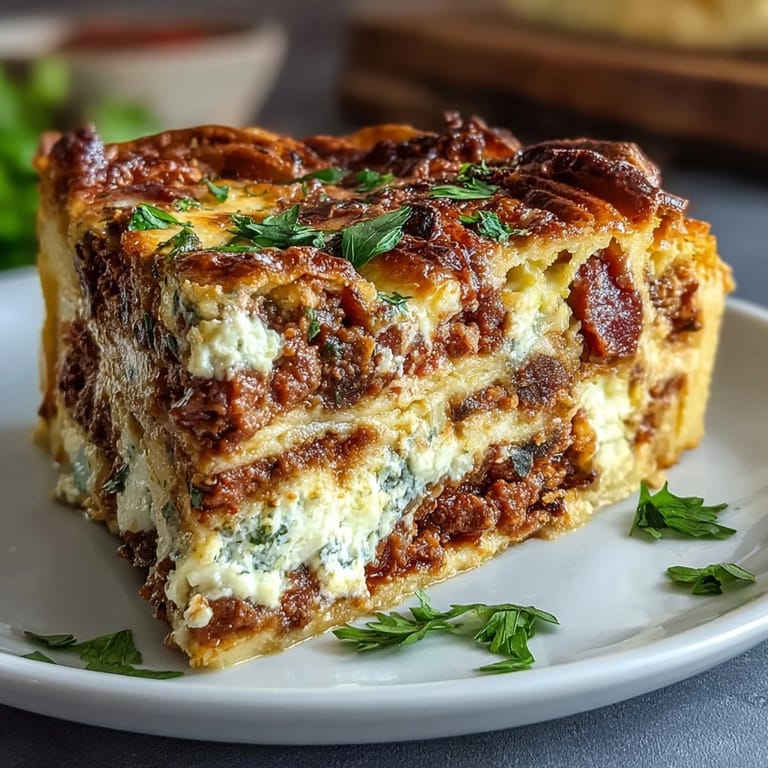
- In a large bowl, combine the drained ricotta, eggs, heavy cream, Parmigiano-Reggiano, mozzarella, parsley, salt, pepper, and nutmeg. Stir gently until everything is evenly mixed, then fold in the diced salami so it's distributed throughout. This is where you taste and adjust—if it needs a whisper more salt, add it now.
- Fill and cover:
- Pour the filling into your pastry-lined pan and smooth the top with a spatula or the back of a spoon. Roll out the remaining pastry and cut it into strips about half an inch wide. Arrange them in a lattice pattern over the filling—don't worry if it's not perfect, the rustic look actually adds charm. Trim the excess pastry from the edges and crimp them with a fork.
- Add the golden finish:
- Brush the egg wash over the lattice and the crimped edges. This is what creates that gorgeous golden-brown exterior that makes people lean in and take a deeper breath.
- Bake until golden:
- Bake for 55 to 60 minutes until the crust is deep golden and the filling is set. If the crust starts browning too quickly, loosely cover the edges with foil for the last 15 minutes. You'll know it's done when you nudge the pan and the filling barely jiggles.
- Cool before serving:
- This is the hardest step because it smells incredible, but let it cool for at least 30 minutes before slicing. This gives the filling time to set properly so each slice holds together beautifully.
 Save
Save There's a moment that happens every time I make this pie where the oven door closes and I smell that first wave of butter and herbs and baking pastry, and I remember exactly why my grandmother kept coming back to this recipe year after year. It's not complicated, but it asks you to care about small details, and in return, it gives you something that feels like love on a plate.
Variations and Substitutions
If salami doesn't speak to you, prosciutto or cooked ham work beautifully and bring their own subtle flavor notes. For a completely different direction, you can omit the meat entirely and layer in sautéed spinach or artichokes—the pie adapts gracefully because the creamy filling is really the star. I've also added roasted red peppers and fresh basil for a summer version, and each time it feels like its own special dish rather than a compromise.
Storage and Serving
This pie is delicious warm from the oven, but it's equally good at room temperature, which makes it perfect for feeding a crowd without last-minute stress. Leftovers keep well refrigerated for three or four days, and you can eat them cold straight from the fridge or warm a slice gently in a low oven—no microwave necessary unless you're in a real hurry. It also freezes beautifully before baking, so you can prepare it days ahead and pop it straight into the oven when you're ready.
Why This Pie Matters
In Italian tradition, this pie shows up at Easter tables not because it's easy, but because it's meaningful—it's the kind of dish that marks occasions and brings families together. There's something about serving a whole pie instead of individual portions that changes the energy of a meal, turning it from dinner into a gathering. The fact that it tastes elegant but feels homey makes it perfect for moments when you want to say 'I put thought into this' without being pretentious about it.
- Make sure your ricotta is truly drained, or your bottom crust will never be as crispy as it deserves to be.
- Keep all your ingredients cold when making the pastry, and work as quickly as you can without rushing.
- If you're nervous about the lattice, you can simply place a full sheet of pastry on top and make a few slits for steam to escape.
 Save
Save This pie has a way of becoming tradition the moment you serve it, so don't be surprised when people start requesting it by name. Make it once for people you care about, and you'll find yourself making it again and again.