 Save
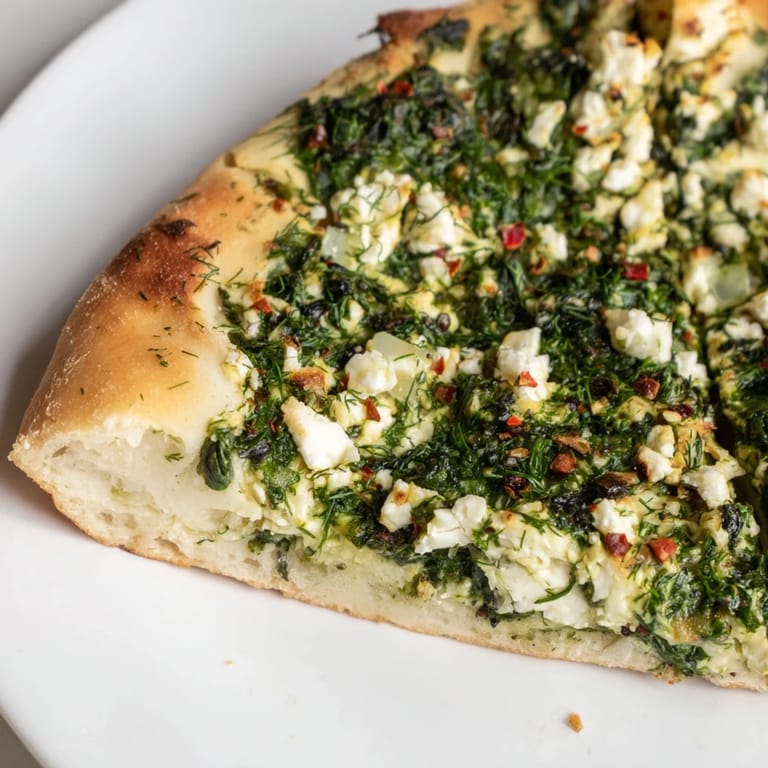
Save There's something about the smell of spinach wilting in a hot skillet that instantly transports me to a small kitchen in Istanbul, even though I've never actually been there. My neighbor, who grew up in Turkey, showed me how to make these flatbreads one lazy Saturday afternoon, and I was struck by how simple the technique was—just flour, water, oil, and salt for the dough, nothing fancy. She worked the dough with such confidence, barely glancing at measurements, while I hovered nervously with my measuring cups. By the time we pulled the first golden flatbread off the griddle, I understood why she'd been so relaxed about it; the magic wasn't in precision, it was in feel.
I made these for my book club once, and a friend who'd claimed she wasn't hungry ended up eating three of them while barely looking up from her book. She kept saying it tasted like she was cheating on her diet somehow, that something this good couldn't possibly be this straightforward. That's when I realized these flatbreads do something special—they feel indulgent and homey at the same time.
Ingredients
- All-purpose flour: Two cups gives you enough for four generous flatbreads without the dough becoming tough or requiring extra kneading.
- Warm water: The key is truly warm, not hot—if it's too hot it'll kill any yeast if you ever decide to add it, but for now it just helps the dough come together soft and pliable.
- Olive oil: Use a good quality one for flavor, especially for brushing the finished flatbreads if you want that extra richness.
- Fresh spinach: Honestly, baby spinach works just as well and requires less chopping, which I've learned the hard way while standing at the cutting board at 6 PM.
- Feta cheese: The crumbly, tangy kind is essential here—it adds a salty bite that keeps the filling from tasting one-note.
- Fresh dill and parsley: These herbs transform the filling from simple to something that tastes intentional and bright, so don't skip them for dried versions.
- Red pepper flakes: Optional but worth it if you like a whisper of heat cutting through the richness of the cheese.
Tired of Takeout? 🥡
Get 10 meals you can make faster than delivery arrives. Seriously.
One email. No spam. Unsubscribe anytime.
Instructions
- Make a soft dough:
- Combine your flour and salt, then add the olive oil and warm water, stirring until everything comes together. Knead for about five minutes—you're looking for a dough that's smooth and supple, not stiff. Let it rest covered for twenty minutes while you prepare the filling; this rest time is where the magic happens, and your dough becomes easier to work with.
- Prepare the filling:
- Sauté your chopped onion in olive oil until it softens and turns translucent, then add minced garlic and watch how quickly your kitchen smells like something from a Mediterranean restaurant. Add the spinach and let it wilt completely, stirring occasionally until any moisture has evaporated—this step is crucial because wet spinach will make your flatbreads soggy.
- Combine the filling:
- Toss the cooled spinach mixture with crumbled feta, fresh dill, parsley, black pepper, and those optional red pepper flakes, stirring until everything is evenly distributed. The mixture should smell herbaceous and smell like it's worth the effort.
- Shape the dough:
- Divide your rested dough into four equal pieces and roll each one into a thin oval, about eight inches long, on a lightly floured surface. Don't worry if it's not perfectly symmetrical—a rustic shape is actually more authentic and forgiving.
- Fill and fold:
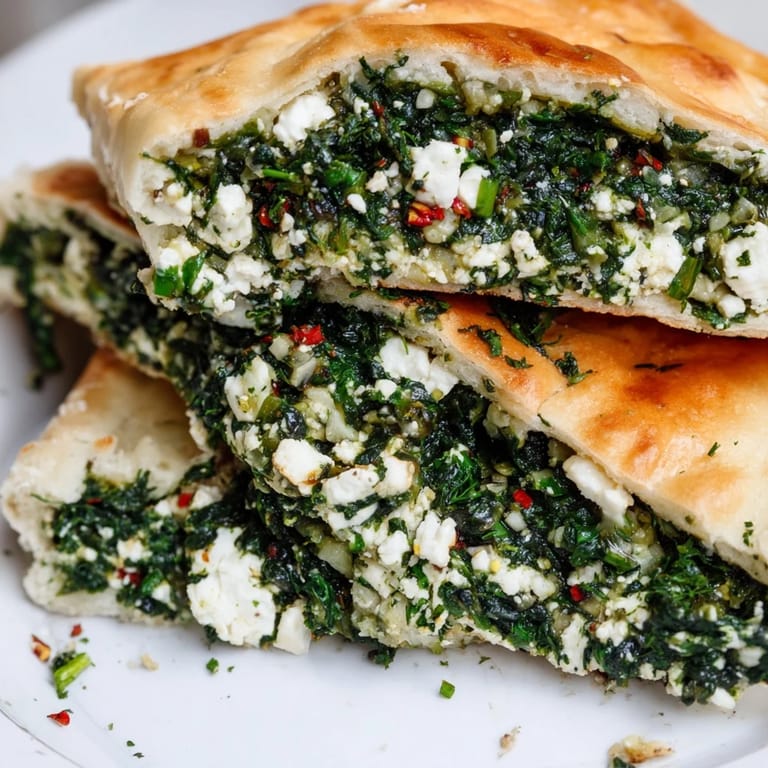
- Spoon a quarter of your filling onto one half of each oval, leaving a small border around the edges so you have something to seal. Fold the dough over the filling and pinch the edges firmly together, pressing to make sure nothing escapes during cooking.
- Cook until golden:
- Heat a nonstick skillet or griddle over medium heat and place a flatbread inside without any oil—the dough already has enough. Cook for three to four minutes on each side until the exterior is deeply golden and the dough is cooked through, resisting the urge to flip too early so you get that beautiful color.
 Save
Save The moment I understood these flatbreads were going to be a regular thing in my kitchen was when my teenage nephew, who normally only eats chicken nuggets, asked for seconds and then asked how to make them. Watching someone you thought had immovable food preferences discover something they actually wanted to eat—that's when a recipe stops being just instructions and becomes something that matters.
Why This Dish Works So Well
There's a simplicity to Turkish flatbread that makes it feel forgiving, even though the technique requires a bit of attention. The dough is humble—just four ingredients—but the filling is where personality happens. The combination of wilted spinach, salty feta, and fresh herbs creates a balance where nothing overshadows anything else; the cheese doesn't drown out the herbs, and the herbs don't make the spinach taste medicinal. It's the kind of dish that tastes like someone cared without looking like they stressed.
Making These Ahead of Time
One of my favorite discoveries is that these flatbreads freeze beautifully after cooking, which means you can make a batch on Sunday and have ready-to-reheat lunch for days. Just let them cool completely, stack them with parchment between each one, and freeze them in an airtight container for up to a month. When you're ready to eat one, reheat it in a dry skillet for a minute or two per side and it tastes almost as good as fresh, though nothing quite matches the moment they come off the griddle.
Serving and Variations
These flatbreads stand alone beautifully as a snack, but they also work wonderfully with yogurt on the side for dipping or alongside a fresh tomato salad if you want to make it more of a meal. I've also brushed them with melted butter right after cooking for a version that feels even more indulgent, and I've experimented with adding crumbled walnuts to the filling for texture, which my partner loved but I found slightly distracting. The beauty of this recipe is that it's forgiving enough to play with, but classic enough that you don't need to.
- Serve them warm right off the griddle for maximum texture contrast between crispy exterior and soft interior.
- A dollop of thick yogurt or tzatziki transforms them into something almost meal-like.
- Leftover flatbreads make excellent next-day snacks straight from the fridge or reheated briefly in a dry pan.
 Save
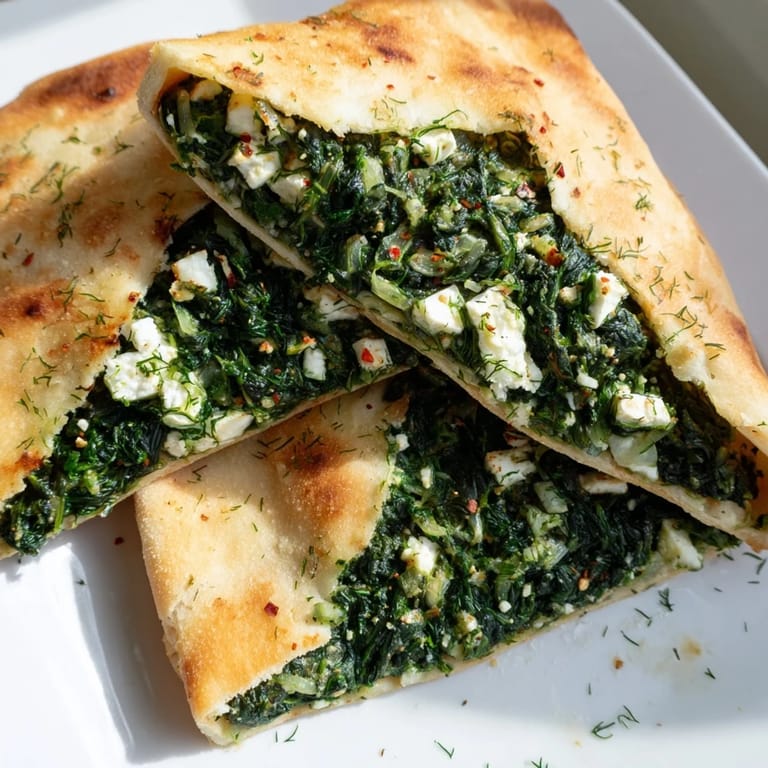
Save These Turkish spinach and feta flatbreads have quietly become one of those recipes I return to without thinking, the way some people always have their comfort dish ready. There's something reassuring about knowing that with just a few ingredients and less than an hour, you can create something that tastes both nourishing and a little bit special.
Recipe Questions & Answers
- → What type of flour is best for the dough?
All-purpose flour works well to achieve a soft yet sturdy dough suitable for folding and pan-cooking.
- → Can I use frozen spinach for the filling?
Yes, thaw and drain frozen spinach thoroughly to avoid excess moisture in the filling.
- → How do I prevent the flatbread from sticking during cooking?
Use a well-heated nonstick skillet or griddle and avoid adding extra oil while cooking to keep the flatbread from sticking.
- → What herbs complement the spinach and feta filling?
Fresh dill and parsley add bright, aromatic notes that enhance the spinach and feta flavors beautifully.
- → Can I add spice to the filling?
Yes, red pepper flakes can be included optionally for a mild kick of heat.
- → How should I serve these flatbreads?
They are excellent served warm, accompanied by yogurt or fresh tomato salad for contrast.