 Save
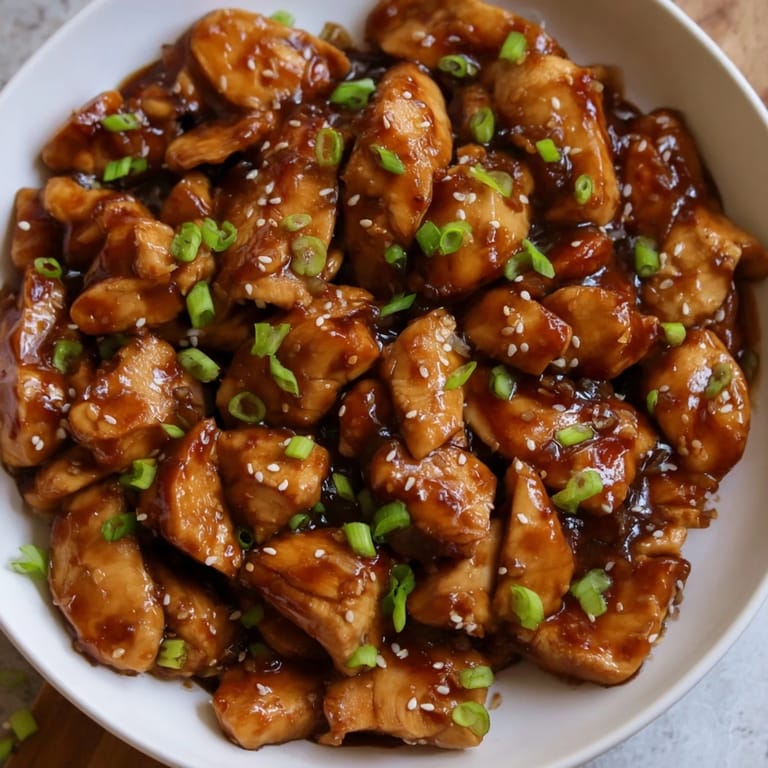
Save The first time I made this, I wasn't trying to impress anyone—just hungry after a long day and hunting through my pantry for something quick. I found a bottle of sriracha tucked behind the spices and thought, why not? Twenty minutes later, my kitchen smelled incredible, and that sticky-sweet glaze coating golden chicken felt like I'd accidentally discovered something special. Now it's the dish I make when I want dinner to feel less like an obligation and more like a small celebration.
I made this for my sister on a random Tuesday, and she stood at the stove watching the glaze reduce, breathing in the ginger-and-garlic steam rising from the pan. When she tasted it, she actually closed her eyes, and I realized then that simple food made with intention hits different. Now it's become our Tuesday thing, her excuse to stop by and remind me we don't need fancy to feel fancy.
Ingredients
- Boneless, skinless chicken breasts: Use breasts that are roughly the same thickness so they cook evenly; if yours are thick, butterfly them gently or pound them between plastic wrap to even them out.
- Honey: This is your sweetness anchor, so don't skip it or swap it for sugar—the flavor profile depends on that warmth.
- Sriracha sauce: Start with 2 tablespoons if you're heat-sensitive, then taste and add more; every bottle has a slightly different kick.
- Soy sauce: A good all-purpose soy works fine, but tamari is your friend if gluten matters to you.
- Rice vinegar: This keeps the glaze bright instead of letting it turn heavy and cloying.
- Fresh ginger: Grated ginger adds a subtle sharpness that makes the whole dish feel alive; don't skip it if you have it on hand.
- Lime juice: Fresh lime, not bottled, makes a real difference in that final zing.
- Vegetable oil: Use whatever neutral oil you have; you need enough to prevent sticking without drowning the chicken.
- Green onions and sesame seeds: These finish the dish with color and texture, turning something simple into something that looks like you know what you're doing.
Tired of Takeout? 🥡
Get 10 meals you can make faster than delivery arrives. Seriously.
One email. No spam. Unsubscribe anytime.
Instructions
- Prepare your chicken:
- Pat the breasts dry with paper towels—this helps them brown properly instead of steaming. Season both sides generously with salt and pepper, then give each one a light coating of cornstarch, shaking off the excess so it's just a whisper of white on the surface.
- Mix your glaze:
- Whisk honey, sriracha, soy sauce, rice vinegar, minced garlic, ginger, and lime juice together in a small bowl. Taste it before the chicken even hits the pan; you want to be confident in the flavor balance now.
- Sear the chicken:
- Heat oil in a large skillet over medium-high heat until it shimmers and moves easily in the pan. Add the chicken breasts and listen for that confident sizzle; that's how you know the heat is right. Cook 4 to 5 minutes per side until golden and cooked through, then transfer to a plate.
- Build the glaze:
- Lower the heat to medium, pour the glaze into the now-empty skillet, and let it bubble gently. Stir occasionally and watch as it thickens into something glossy and cling-able, about 2 to 3 minutes.
- Bring it together:
- Return the chicken to the skillet and turn each piece to coat it in that beautiful glaze. Let everything simmer for just 2 more minutes—you're not cooking the chicken further, just marrying the flavors and making sure it's warm.
- Finish and serve:
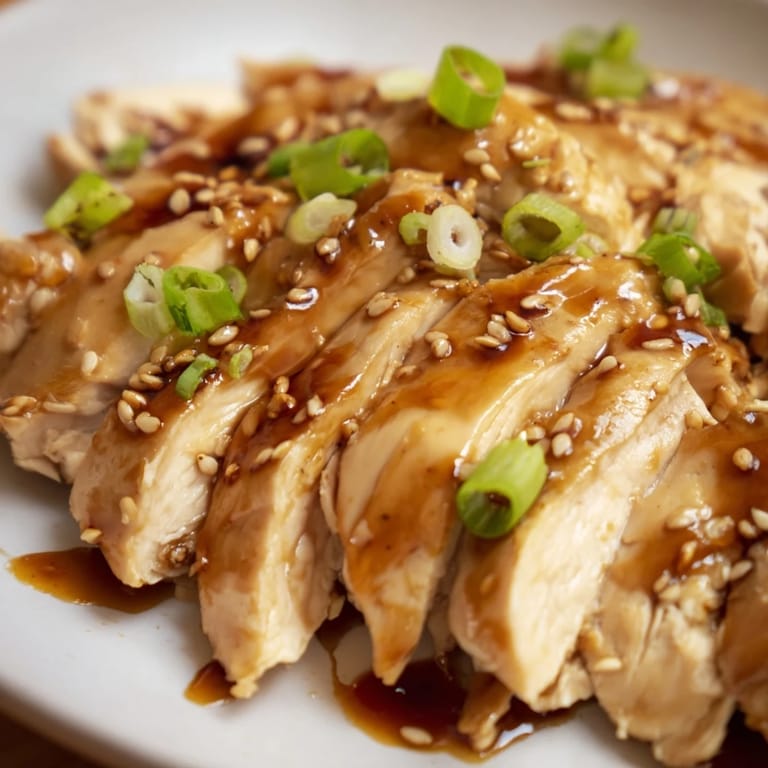
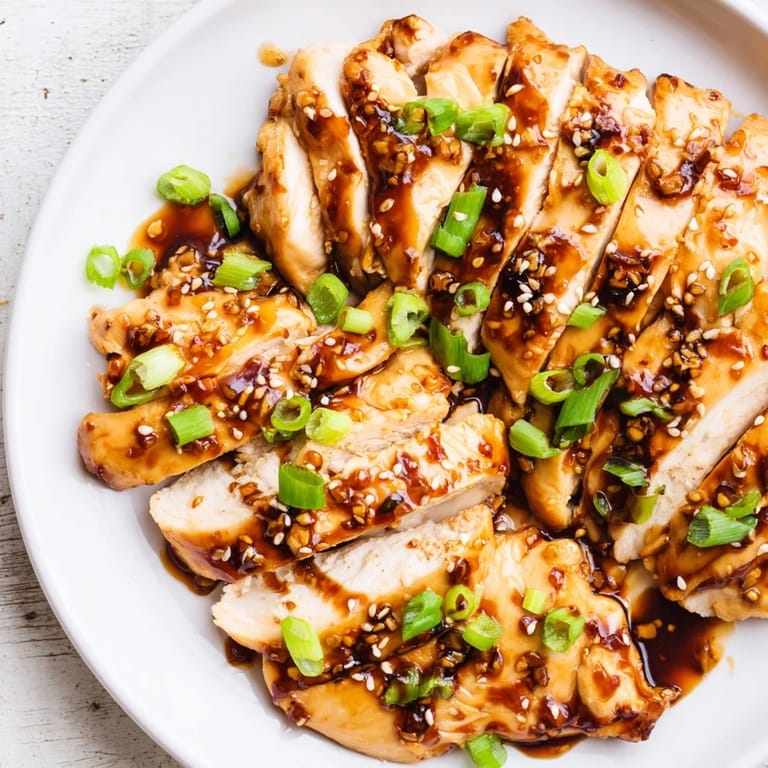
- Slice the chicken if you like, drizzle with extra glaze, and scatter green onions and sesame seeds on top. The presentation is half the payoff.
 Save
Save There was a night when a friend came over stressed about something, and I made this without thinking much about it. By the time we sat down to eat, the conversation had shifted—we were laughing about the first time we'd each tried sriracha, and somehow chicken and honey and heat became the thing that got us talking like we actually mattered to each other again. That's when food stops being sustenance.
The Sweet-and-Spicy Dance
What makes this dish work is the tension between heat and sweetness, neither one drowning the other. The honey carries the sriracha so it doesn't just burn your mouth; instead, it builds, unfolds, and leaves you satisfied rather than punished. That's the whole point—a glaze that challenges you a little but doesn't make you regret it.
Timing and Texture
The beauty of this recipe is that it asks almost nothing of you in terms of active skill, but it does ask you to pay attention. The glaze only takes a few minutes to thicken, and once it does, you're done—overcooking it turns it bitter. The chicken's the same; it doesn't need to sit simmering in the glaze for ages. In and out, fast and delicious.
What Goes With This
Jasmine rice is the obvious choice because it's fragrant and neutral enough to let the glaze be the star. But I've also served this over cauliflower rice when I wanted something lighter, and over a pile of sautéed bok choy when I wanted something with more personality. Even a simple salad works if you're in that kind of mood.
- Steamed jasmine rice soaks up the glaze perfectly and feels both comforting and intentional.
- Roasted vegetables like broccoli or snap peas add color and give you something to do with your hands while the glaze reduces.
- A bright green salad cuts through the richness and keeps things feeling balanced instead of heavy.
 Save
Save This is the kind of recipe that reminds you why cooking is worth doing. It's simple enough that you don't dread it, but interesting enough that it feels like you did something real.
Recipe Questions & Answers
- → How do I get the glaze sticky?
Simmer the glaze on medium heat until it thickens and becomes glossy, about 2-3 minutes, stirring occasionally.
- → Can I use chicken thighs instead of breasts?
Yes, boneless skinless chicken thighs work well and offer extra juiciness with similar cooking times.
- → How to adjust the spiciness level?
Modify the amount of sriracha sauce to your preferred heat, or add a pinch of red pepper flakes for more kick.
- → What can I serve alongside this dish?
Steamed jasmine rice or sautéed vegetables complement the sweet and spicy flavors beautifully.
- → Is this dish gluten-free?
Substitute soy sauce with tamari to make the dish gluten-free while maintaining rich umami flavors.
- → Can I prepare the glaze in advance?
Yes, the glaze can be mixed ahead and refrigerated, but best added fresh during cooking for optimal flavor and texture.