 Save
Save My friend Zahra brought this stew to a potluck on a grey November evening, and I watched people go back for thirds without touching anything else on the table. When I finally asked for her recipe, she laughed and said it was just lentils, chickpeas, and a little sumac magic—but there's something about the way those spices bloom in the broth that makes it feel like you're tasting something ancient and comforting all at once. I've made it dozens of times since, and it never fails to warm a kitchen and quiet a room.
I made this for my dad when he came back from the hospital, mostly because I needed something gentle but hearty that didn't require much thought. He took one spoonful and asked if I'd been secretly taking cooking classes, which made me laugh until he asked for seconds. That's when I knew the recipe was a keeper.
Ingredients
- Brown or green lentils (1 cup, rinsed): They hold their shape better than red lentils and have an earthy depth that pairs perfectly with the bright spices.
- Canned chickpeas (15 oz): Don't skip the rinsing step—it removes the starchy liquid and keeps the broth clean and clear.
- Olive oil (2 tablespoons): Use something you actually like tasting, because it's doing real work here in the base.
- Yellow onion (1 large, finely chopped): This is your foundation; take time to chop it small so it melts into the stew.
- Garlic (3 cloves, minced): Mince it by hand if you can—the aroma while you're cooking is half the experience.
- Carrots and celery (2 medium and 2 stalks): Dice them roughly the same size so everything cooks evenly and creates a natural sweetness.
- Sumac (1½ teaspoons): This is the secret weapon—it's like bottled sunshine and lemon without the bitterness.
- Cumin, coriander, smoked paprika (1 teaspoon, ½ teaspoon, ½ teaspoon): These three work together like old friends, each one lifting the others higher.
- Salt, black pepper, cayenne (1 teaspoon, ½ teaspoon, ¼ teaspoon optional): Taste as you go and adjust; cayenne is there if you want warmth, not burn.
- Vegetable broth and water (4 cups and 1 cup): The broth carries flavor while water keeps it balanced and lets the lentils speak.
- Lemon juice (from 1 large lemon): Squeeze it fresh just before serving—bottled juice never quite captures that brightness.
- Fresh parsley (½ cup, chopped): Reserve half for garnish so you get that fresh herb pop with every bite.
Tired of Takeout? 🥡
Get 10 meals you can make faster than delivery arrives. Seriously.
One email. No spam. Unsubscribe anytime.
Instructions
- Heat and soften the onion:
- Warm the olive oil in a large pot over medium heat and let the onion cook slowly, stirring occasionally, until it turns golden and soft. This takes about four or five minutes and is worth the patience—it's where your flavor foundation comes from.
- Build the aromatics:
- Add the minced garlic, diced carrots, and celery, then cook for another few minutes until the vegetables just begin to lose their crispness. You'll notice the kitchen starting to smell like a Middle Eastern kitchen; that's the signal you're on the right track.
- Bloom the spices:
- Stir in the sumac, cumin, coriander, smoked paprika, salt, pepper, and cayenne if you're using it. Let them toast for about a minute until they release their aroma—this is a critical moment that makes the entire stew taste deeper and more complex.
- Add the legumes and liquid:
- Pour in the lentils, chickpeas, vegetable broth, and water, then bring everything to a gentle boil. Once it's bubbling, turn the heat to low, cover the pot, and let it simmer for about twenty-five to thirty minutes until the lentils are tender but not falling apart.
- Finish with brightness:
- Stir in the fresh lemon juice and half of the parsley, then simmer uncovered for just two or three more minutes to let the flavors meld. Taste it here and adjust the salt or lemon to your preference.
- Serve and celebrate:
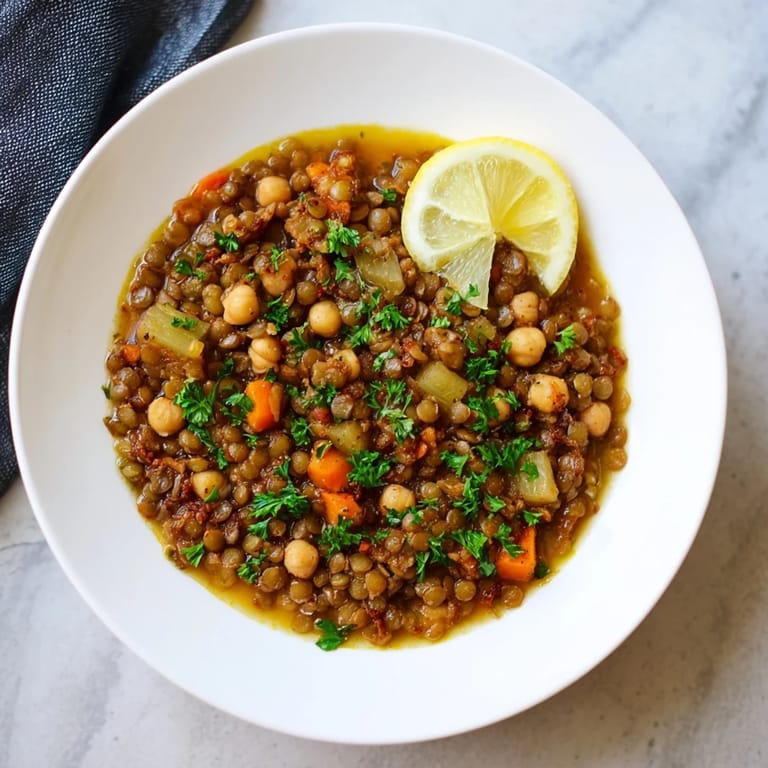
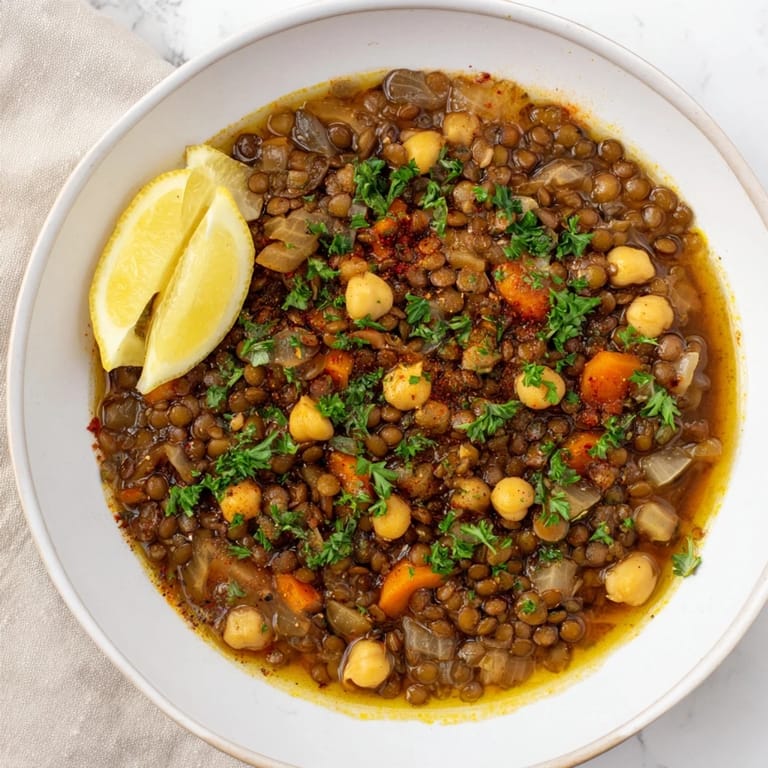
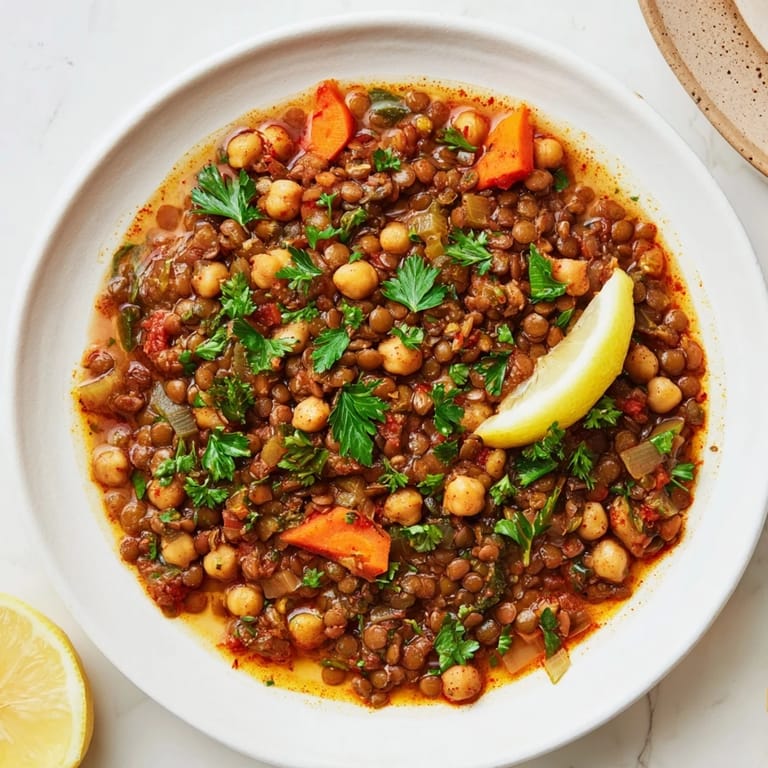
- Ladle the stew into bowls and finish with the remaining parsley and a wedge of lemon on the side. Let people squeeze it in themselves—that little moment of control makes everyone feel like they're part of the cooking.
 Save
Save There's something about serving this stew that brings people together in a way fancy food never does. Someone will always ask for the recipe, and when you hand it to them, you're really handing them permission to feed the people they love something warm and honest.
Why Sumac Matters
Sumac gets overlooked in Western kitchens, but it's the quiet hero of Middle Eastern cooking. It adds a bright, lemony tang without any actual acidity, which means it won't curdle cream or make the broth taste sharp the way too much lemon can. Once you taste how it transforms a simple stew, you'll start putting it on everything.
Making It Your Own
This is the kind of recipe that rewards experimentation without punishing mistakes. I've added wilted spinach in the last few minutes, stirred in a dollop of tahini for richness, and even topped it with a fried egg when I wanted something more substantial. The base is strong enough to handle your instincts.
Serving and Storage
This stew tastes even better the next day once the flavors have settled and deepened, making it perfect for meal prep or a quick lunch. Warm it gently on the stove, add a splash of water if needed, and taste it again before serving because the lemon juice fades slightly overnight.
- Serve with warm flatbread, over rice, or simply in a bowl with a squeeze of fresh lemon.
- Store covered in the refrigerator for up to four days, or freeze it for up to three months in a flat container for easy thawing.
- This recipe doubles beautifully if you're cooking for a crowd or want enough for several meals.
 Save
Save This stew is proof that the simplest ingredients, when treated with respect and a little patience, become something people remember and ask for again. Make it when you need comfort, or make it for someone else who does.
Recipe Questions & Answers
- → What lentils work best in this stew?
Brown or green lentils hold their shape well during cooking, providing the perfect texture for this stew.
- → Can I adjust the spice level?
Yes, reduce or omit cayenne pepper for milder heat or add more for extra spice according to preference.
- → What can I substitute if sumac isn’t available?
Extra lemon zest or a splash of lemon juice can provide a similar tangy, citrusy flavor in place of sumac.
- → Is it possible to add greens to this dish?
Adding chopped spinach or kale in the last few minutes of cooking adds color and nutrients without altering the flavor balance.
- → How should I store leftovers?
Keep leftovers in an airtight container in the refrigerator for up to 3 days and reheat gently before serving.
- → What pairs well with this lentil and chickpea dish?
Warm flatbread or a side of rice complements the stew’s hearty textures and flavors nicely.