 Save
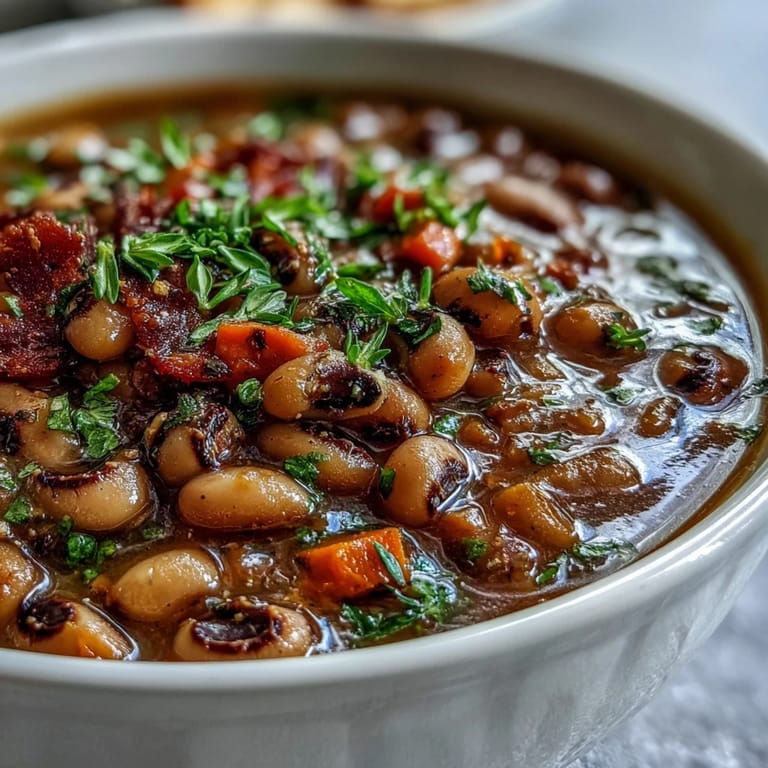
Save My neighbor Maria stopped by one October afternoon with a container of black-eyed peas her grandmother had taught her to make, and the aroma alone—that warm oregano and paprika mingling with tomato—made me understand why she talked about it so often. She set it on my counter and said, "Just throw everything in before you leave for work," which felt almost too simple for something that tasted so deeply Mediterranean. That's when I realized the slow cooker wasn't just convenient; it was the secret to coaxing every bit of flavor from humble ingredients. Now whenever I make this, I think of her matter-of-fact confidence and how she'd laugh at how long it took me to learn what she'd always known.
I served this to a group of friends during a rainy Sunday lunch, and watching them slow down mid-conversation to savor each spoonful told me everything. One of them asked for the recipe right there at the table, and when I explained it was Mediterranean soul food that happened to be vegan, she seemed almost surprised—as if something this satisfying couldn't possibly be that straightforward. That moment stuck with me because it proved that good food doesn't need complexity or pretense, just honest ingredients and time.
Ingredients
- Black-eyed peas (2 cups dried): Rinse and pick these over before cooking to catch any small stones, then let them sit in your slow cooker knowing they'll transform into something almost silky by the end.
- Onion (1 large, finely chopped): This is your flavor foundation, so take a moment to chop it small—it dissolves into the broth and becomes the backbone of everything.
- Garlic (3 cloves, minced): Don't skip the mincing; whole cloves won't distribute their warmth the way the dish deserves.
- Carrots and red bell pepper (2 carrots diced, 1 pepper diced): The carrots soften into sweetness while the pepper adds both color and a subtle brightness that cuts through the richness.
- Diced tomatoes (1 can, 400 g, undrained): Keep those juices in—they're liquid gold for building the sauce.
- Tomato paste (2 tablespoons): This concentrates the tomato flavor into something deep and almost savory, worth stirring in carefully so it distributes evenly.
- Vegetable broth (4 cups): Use something you'd actually drink, because mediocre broth will whisper through the entire dish.
- Extra virgin olive oil (1/3 cup): This isn't the time to use the cheap stuff—the olive oil carries the entire Mediterranean spirit of the dish, so choose something you trust.
- Oregano (2 teaspoons dried): Dried oregano here is actually preferable to fresh because the slow cooking deepens its earthy character.
- Smoked paprika (1 teaspoon): This gives the whole thing a subtle warmth and color, like the sun itself went into the pot.
- Cumin (1/2 teaspoon optional): If you use it, it adds an almost whispered earthiness that some people swear by.
- Bay leaf (1): Remove it before serving, but don't skip it—it's a quiet player that makes everything taste more intentional.
- Salt and pepper: Taste as you go, especially at the end when flavors have concentrated.
Tired of Takeout? 🥡
Get 10 meals you can make faster than delivery arrives. Seriously.
One email. No spam. Unsubscribe anytime.
Instructions
- Prepare and layer:
- Rinse your black-eyed peas and pick through them with your fingers, looking for any small stones hiding among them. Chop your vegetables while your slow cooker sits empty on the counter, ready to receive everything—there's a nice meditative quality to this prep work, knowing you're about to set something in motion.
- Build the base:
- Add the peas, onion, garlic, carrots, and bell pepper to your slow cooker first, then pour in the tomatoes with their liquid and tomato paste. Stir this together so the tomato paste breaks up and coats everything before adding the broth—this small step ensures the tomato flavor disperses evenly rather than settling in clumps.
- Add the liquid and seasonings:
- Pour in the vegetable broth and olive oil, then sprinkle in the oregano, paprika, bay leaf, and cumin if using. Give everything a good stir, adding salt and pepper now, though you'll taste again later when everything's tender.
- Set it and forget it:
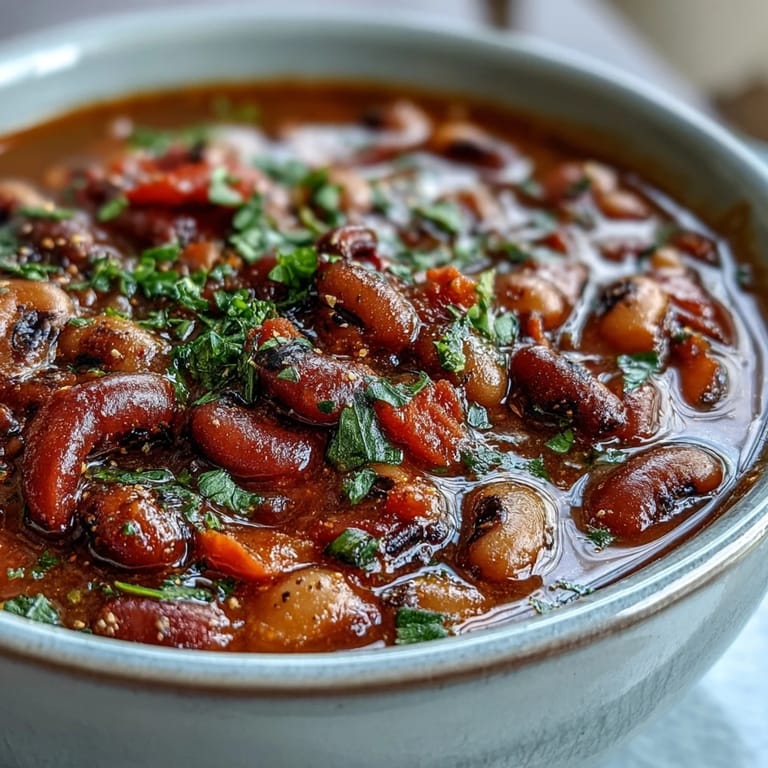
- Cover the slow cooker and turn it to low—this is the moment where you walk away. Six to seven hours later, the peas will be so tender they practically dissolve on your tongue, and the broth will have deepened into something rich and complex.
- Final adjustments:
- Fish out the bay leaf with a spoon, then taste the whole thing. Salt and pepper adjustments often happen here, and sometimes I add a tiny pinch more oregano if the flavors feel shy.
 Save
Save There was an evening when my daughter came home from a difficult day at school and sat down to a bowl of this without saying much, just eating quietly until her shoulders relaxed and she looked up. That's when I understood this dish does something beyond nourishment—it whispers that someone cared enough to let time do the work.
Why This Works as Comfort Food
Black-eyed peas carry a certain softness that other legumes don't—they surrender to slow cooking in a way that feels almost generous, absorbing the olive oil and tomato into every crevice. The spices here aren't aggressive; they're Mediterranean and understated, which means the dish tastes like it's been simmering in someone's kitchen for generations rather than just hours. There's an honesty to it that feels nourishing in a way that has nothing to do with calories.
Stretching It and Making It Your Own
Once I started making this regularly, I began experimenting—adding handfuls of spinach or kale in the final thirty minutes, stirring in lemon juice at the end for brightness, sometimes crumbling feta on top even though it's traditionally vegan. A friend suggested serving it over rice instead of in a bowl, which turned it into something between a stew and a grain bowl. The beauty is that the base is strong enough to support these additions without losing its character.
Pairing and Serving
I've learned that this dish demands good bread on the side—something crusty enough to soak up the broth but soft enough to break apart easily. A crisp white wine like Sauvignon Blanc or Greek Assyrtiko cuts through the richness beautifully, or you could skip wine entirely and pour yourself something cold if that's more your speed. Honestly, it's just as good leftover, reheated slowly on the stovetop where you can add a splash of water if it's thickened too much.
- Make this on a day when you're home but not glued to the kitchen, so the smell builds anticipation throughout the day.
- Double the recipe and freeze half—it freezes beautifully and tastes even better a week later when flavors have settled.
- Don't skip the fresh parsley and lemon wedges at the end, even if they feel like an extra step; they're what make it sing.
 Save
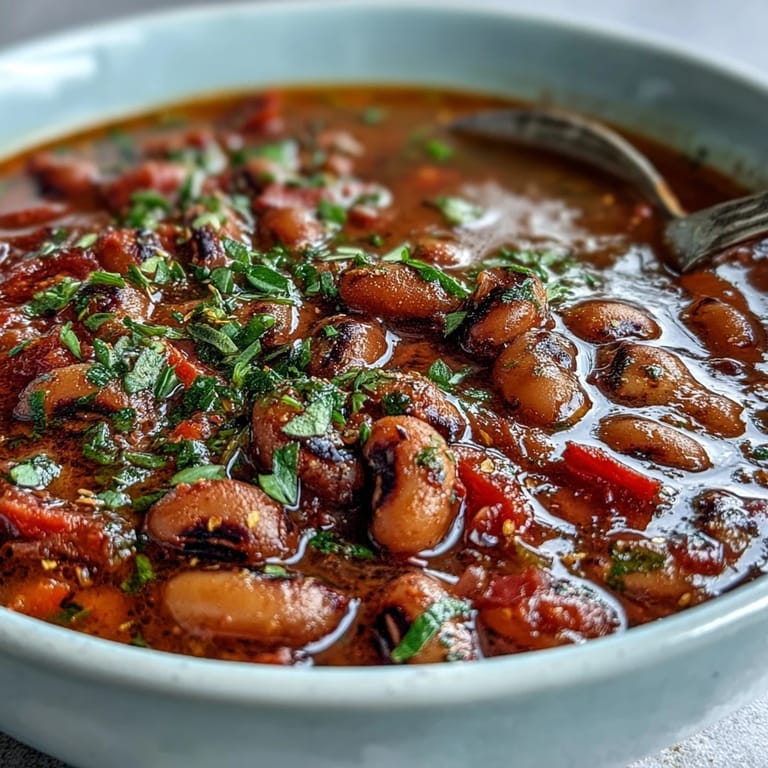
Save This is the kind of recipe that becomes part of your rotation not because it's fancy, but because it feels like home in a bowl. Once you make it once, you'll understand why Maria was always talking about it.
Recipe Questions & Answers
- → Do I need to soak black-eyed peas before cooking?
No soaking required! The slow cooker method allows dried black-eyed peas to cook perfectly over 6-7 hours on low heat. Just rinse them well and remove any debris before adding to the pot.
- → Can I make this without a slow cooker?
Absolutely. Cook on the stovetop in a heavy pot or Dutch oven over low heat for 2-3 hours, or in a 325°F oven for about 2.5 hours. Add more liquid if needed as it simmers.
- → How do I store and reheat leftovers?
Store in an airtight container in the refrigerator for up to 5 days. The flavors actually deepen over time. Reheat gently on the stovetop with a splash of water or broth to loosen.
- → What can I serve with these black-eyed peas?
Crusty bread for dipping, steamed rice, or quinoa make excellent accompaniments. A crisp green salad with cucumber and feta balances the richness perfectly.
- → Can I add other vegetables?
Yes! Spinach, kale, or Swiss chard added in the final 30 minutes wilt beautifully. Diced zucchini or celery in the beginning also work wonderfully.
- → Is this dish freezer-friendly?
Definitely. Cool completely, then freeze in portions for up to 3 months. Thaw overnight in the refrigerator before reheating.