 Save
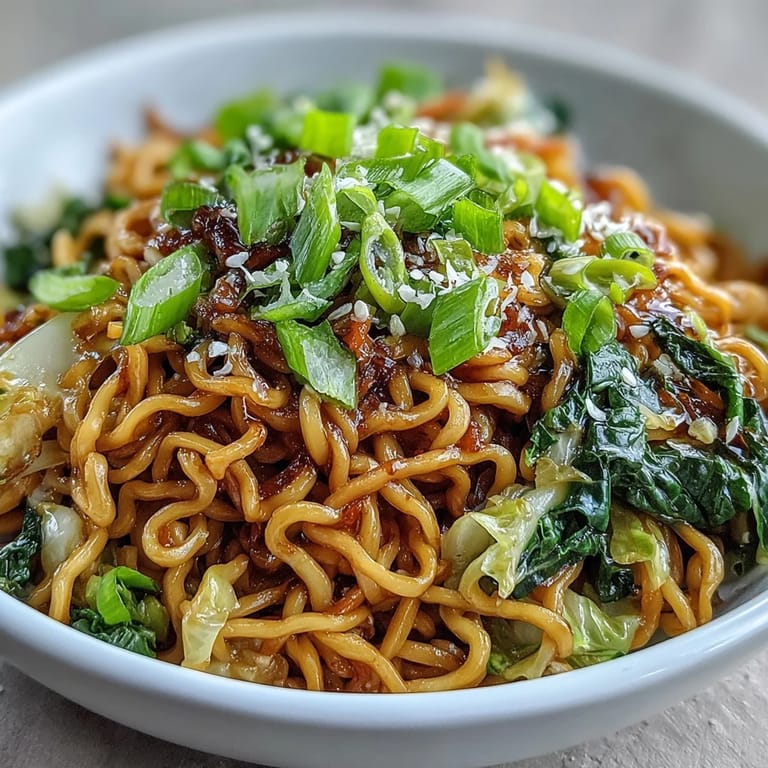
Save The sizzle of cabbage hitting hot oil always takes me straight back to that cramped studio apartment where counter space was a luxury. I'd bought way too much cabbage at the market, and with only instant ramen in the pantry, desperation turned into something surprisingly delicious. The edges of the cabbage crisped up like little flavor bombs, and the noodles soaked up every bit of that garlicky, savory sauce. It became my go-to meal whenever the fridge looked sad and my wallet looked sadder. Now I make it even when I have other options, because some accidents are worth repeating.
I made this for my roommate once when she came home exhausted from a double shift. She stood in the kitchen doorway, drawn in by the smell of garlic and ginger, and declared it better than any delivery she'd ever ordered. We ate it straight from the pan with chopsticks, sitting on the floor because our tiny table was buried under textbooks. She still texts me photos whenever she makes it herself, always with extra chili flakes because she learned to love the heat.
Ingredients
- Green cabbage: Slice it thin so it cooks quickly and gets those beautiful caramelized edges that taste almost sweet.
- Carrot: Julienne cuts give you those perfect little matchsticks that add color and a slight crunch.
- Scallions: Keep the whites and greens separate; whites go in early for sweetness, greens at the end for freshness.
- Garlic and ginger: Fresh is essential here, the aromatics build the entire flavor foundation in that first fragrant minute.
- Instant ramen noodles: Toss those seasoning packets, the noodles themselves are the star with their perfect chewy texture.
- Soy sauce: The salty backbone of the sauce, it brings everything together with that umami depth.
- Oyster sauce: Adds a subtle sweetness and thickness, or swap for mushroom sauce to keep it vegan.
- Toasted sesame oil: Just a tablespoon perfumes the whole dish with that nutty, roasted aroma.
- Rice vinegar: A teaspoon cuts through the richness and brightens every bite.
- Sugar: Balances the salty and tangy elements, helping the cabbage caramelize beautifully.
- Chili flakes: Optional but recommended, they add a gentle warmth that builds with each forkful.
- Vegetable oil: High smoke point oils like canola work best for that high heat stir-fry.
Tired of Takeout? 🥡
Get 10 meals you can make faster than delivery arrives. Seriously.
One email. No spam. Unsubscribe anytime.
Instructions
- Boil the noodles:
- Get your water rolling and cook those ramen noodles just until they separate and soften, usually about 3 minutes. Drain them well and set aside, they'll finish cooking in the pan with all those flavors.
- Mix the sauce:
- Whisk together the soy sauce, oyster sauce, sesame oil, rice vinegar, sugar, and chili flakes in a small bowl. Having it ready means you can move fast once the vegetables hit the heat.
- Start the aromatics:
- Heat your oil in a large skillet or wok until it shimmers, then add the garlic, ginger, and white parts of the scallions. Stir constantly for about a minute until your kitchen smells incredible and the garlic just starts to turn golden.
- Fry the vegetables:
- Toss in the cabbage and carrot, spreading them out so they make contact with the hot pan. Let them sit for 30 seconds before stirring, then repeat, allowing those beautiful brown spots to develop while keeping some crunch.
- Combine everything:
- Add the cooked noodles and pour the sauce over top, using tongs or chopsticks to toss everything together. Keep it moving for 2 to 3 minutes until the noodles are heated through and coated in that glossy sauce.
- Finish and serve:
- Pull the pan off the heat, scatter those green scallion tops over everything, and serve immediately while it's still steaming. The contrast between the hot noodles and fresh scallions is part of the magic.
 Save
Save 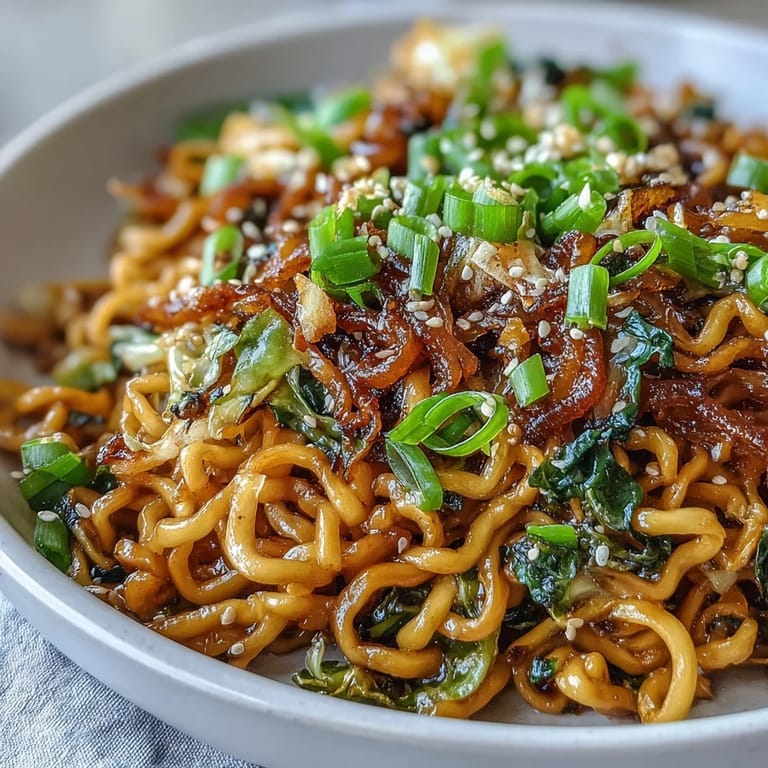 Save
Save There was an evening when I made this for a small gathering, doubling the recipe and watching everyone go quiet as they ate. Someone asked if I'd ordered it from the new place downtown, and I just smiled and said it was cheaper and faster than delivery. That's when I realized this dish had graduated from my broke-student survival food to something I was genuinely proud to share.
Making It Your Own
The beauty of this recipe is how forgiving it is when you want to improvise. I've thrown in sliced mushrooms when they were about to turn, added bell peppers for sweetness, and tossed in snap peas for extra crunch. A fried egg on top turns it into a complete meal, the runny yolk mixing with the sauce like a bonus layer of richness. Cubed tofu, crisped up separately and stirred in at the end, makes it heartier and keeps it vegetarian.
Getting the Texture Right
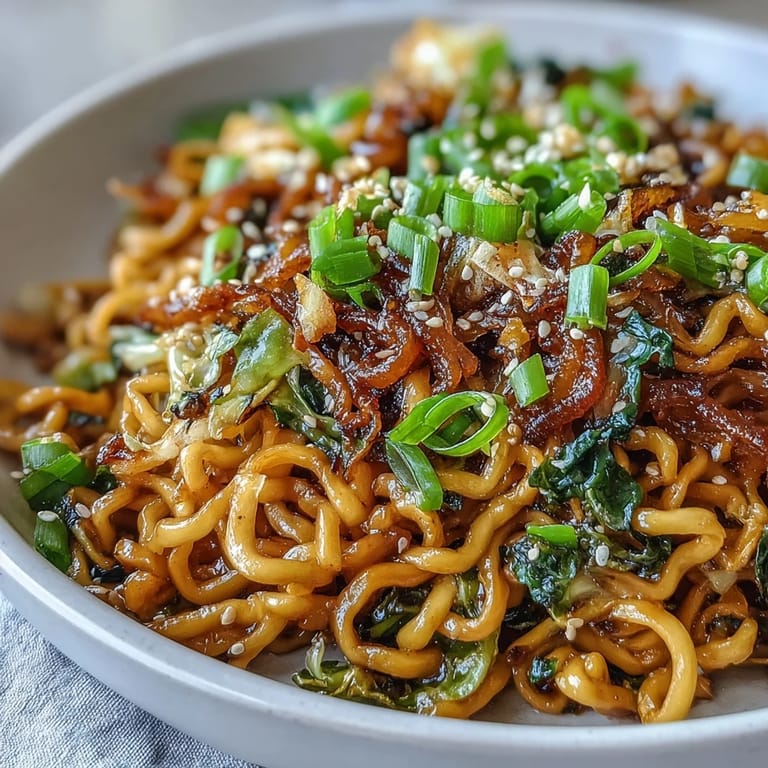
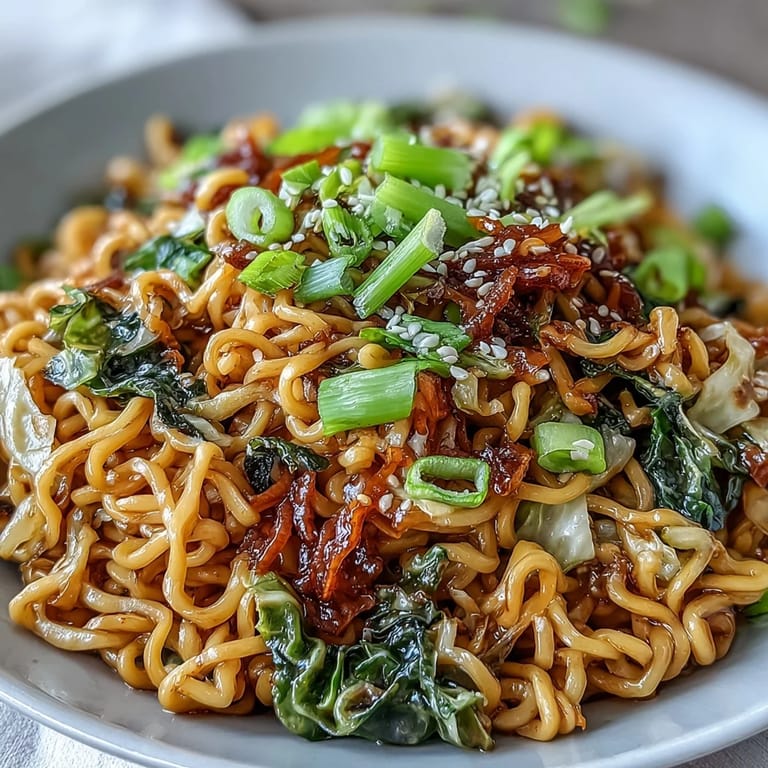
The secret to great fried cabbage is patience at the right moments and speed at others. Let the cabbage sit undisturbed for those 30-second intervals so the edges char and caramelize, that's where the flavor lives. But once you add the noodles and sauce, keep everything moving so nothing sticks or gets soggy. The noodles should be slippery and glossy, the cabbage should still have some bite, and those little crispy bits should be scattered throughout like tiny treasures.
Storage and Leftovers
Honestly, this is best eaten right away when everything is hot and the textures are still distinct. But if you do have leftovers, store them in an airtight container in the fridge for up to two days. Reheat in a hot skillet with a splash of water to bring back some life, though the noodles will soften and the cabbage will lose its crunch. I sometimes intentionally make extra and eat it cold the next day for lunch, accepting that it's a different experience but still satisfying.
- Sprinkle toasted sesame seeds or crushed peanuts on top for extra crunch and richness.
- Swap tamari for soy sauce and use gluten-free noodles if you need to avoid gluten.
- Double the ginger if you love that sharp, warming bite it brings to every forkful.
 Save
Save 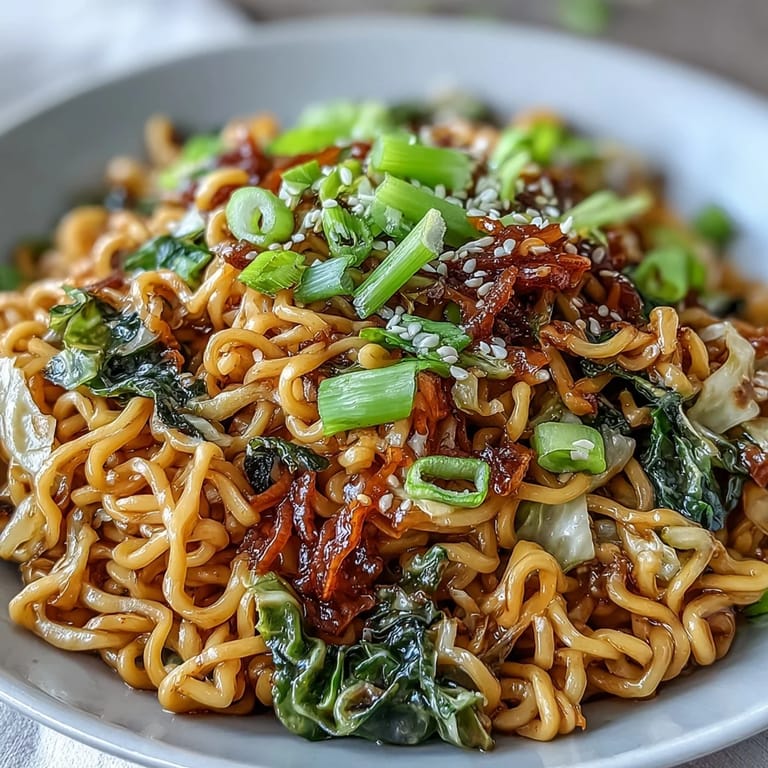 Save
Save This dish reminds me that good food doesn't need to be complicated or expensive. Keep making it, keep tweaking it, and eventually it'll become your own version of comfort in a bowl.
Recipe Questions & Answers
- → Can I use fresh noodles instead of instant ramen?
Yes, fresh ramen or any Asian wheat noodles work well. Cook according to package directions and adjust cooking time as needed since fresh noodles typically cook faster than instant varieties.
- → How do I make this dish vegan?
Replace oyster sauce with mushroom oyster sauce or additional soy sauce mixed with a touch of hoisin. Ensure your ramen noodles don't contain animal products and check all sauce labels.
- → What other vegetables can I add?
Bell peppers, snap peas, mushrooms, bok choy, or bean sprouts all complement this stir-fry beautifully. Add heartier vegetables with the cabbage and quicker-cooking ones near the end.
- → Can I make this ahead of time?
Best enjoyed fresh, but you can prep ingredients in advance. Store chopped vegetables separately and cook just before serving, as noodles absorb sauce and lose texture when stored.
- → How do I prevent the cabbage from becoming soggy?
Use high heat and avoid overcrowding the pan. Stir-fry in batches if necessary and cook only until cabbage is tender-crisp with slightly caramelized edges for the best texture.
- → What protein options work well with this dish?
Top with a fried egg, pan-seared tofu, grilled chicken, or shrimp. For integrated protein, add during the vegetable stir-frying stage to ensure everything cooks through properly.