 Save
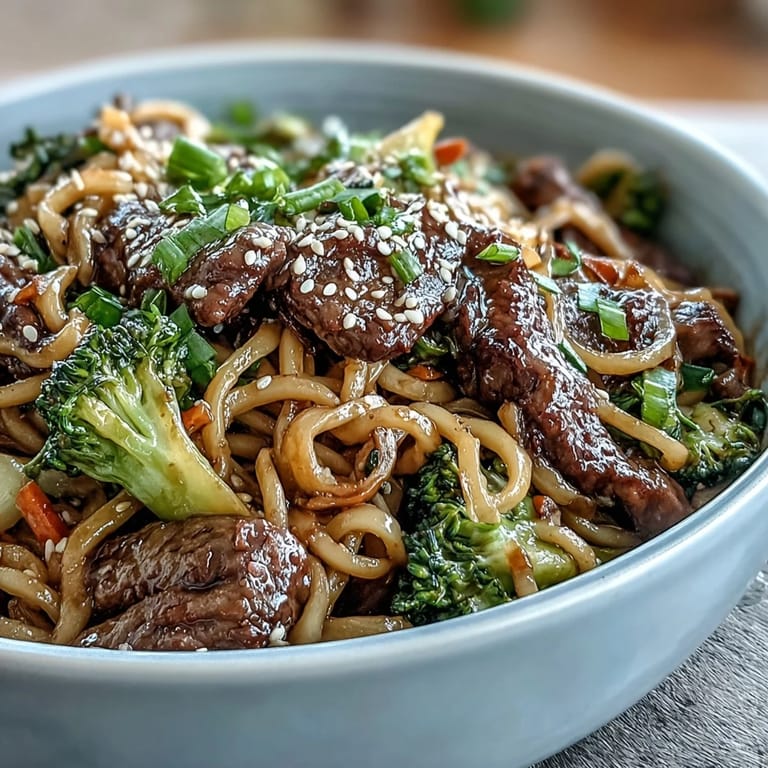
Save My neighbor came back from Seoul with a small bottle of sesame oil tucked in her suitcase, and when she drizzled it over stir-fried noodles in her tiny kitchen, the whole hallway smelled like warmth and possibility. I stood there holding a bowl she handed me, twirling slippery rice noodles around my fork, thinking I could absolutely make this at home. That week I bought flank steak, a bag of broccoli, and the cheapest wok I could find. It turned out better than I expected, and I've been hooked ever since.
The first time I made this for my brother, he looked skeptical when I said it was Korean-inspired, because he'd only ever seen me make spaghetti. But halfway through his second bowl, he stopped talking and just kept eating, nodding slowly with his mouth full. Now he texts me asking when I'm making the noodles again. It's become our unofficial Sunday dinner whenever he visits, and I always make extra because he eats like he's never seen food before.
Ingredients
- Rice noodles: They turn silky and slick when cooked right, soaking up the sauce without getting mushy if you rinse them in cold water immediately after draining.
- Flank steak: Slicing it thin against the grain is the only trick that matters here, because it makes even this tougher cut melt in your mouth.
- Broccoli florets: They add a satisfying crunch and soak up the garlic-ginger aromatics like little flavor sponges.
- Bell pepper: Red or yellow brings sweetness and color, and I've learned to slice them thick so they stay crisp under high heat.
- Carrot: Julienned carrots cook fast and add a slight earthiness that balances the salty-sweet sauce.
- Green onions: Chopped and scattered on top, they give a fresh bite that cuts through the richness.
- Garlic and ginger: These two together create that unmistakable base note that makes the whole kitchen smell like a stir-fry restaurant.
- Soy sauce: The backbone of the sauce, salty and deep, and I always use low-sodium so I can control the saltiness myself.
- Brown sugar: Just enough sweetness to glaze everything without making it dessert-like.
- Sesame oil: A little goes a long way, adding that nutty, toasted finish that makes everything taste intentional.
- Vegetable oil: High smoke point oil is key for getting that sear on the beef without burning.
- Sesame seeds: They look pretty and add a tiny crunch that surprises you in every few bites.
Tired of Takeout? 🥡
Get 10 meals you can make faster than delivery arrives. Seriously.
One email. No spam. Unsubscribe anytime.
Instructions
- Prep the noodles:
- Cook the rice noodles following the package directions, then drain and rinse them under cold water to stop the cooking. This keeps them from turning into a gummy clump later.
- Heat the pan:
- Pour vegetable oil into a large skillet or wok and crank the heat to medium-high until the oil shimmers and barely starts to smoke.
- Sear the beef:
- Toss in the thinly sliced flank steak and let it sizzle undisturbed for a minute before stirring, cooking for 2 to 3 minutes total until browned. Pull it out and set it aside so it doesn't overcook.
- Bloom the aromatics:
- Drop the minced garlic and grated ginger into the same hot skillet and stir for about 30 seconds until the smell fills the room and they turn golden at the edges.
- Stir-fry the vegetables:
- Add the broccoli, bell pepper, and carrot, tossing them constantly for about 5 minutes until they're tender but still have some snap. You want them bright and crisp, not limp.
- Mix the sauce:
- While the vegetables cook, whisk together the soy sauce, brown sugar, and sesame oil in a small bowl, stirring until the sugar dissolves completely.
- Combine beef and sauce:
- Return the beef to the skillet and pour the sauce over everything, stirring to coat the beef and vegetables evenly.
- Toss in the noodles:
- Add the cooked rice noodles and gently toss everything together with tongs, making sure the noodles get coated and warmed through in about 2 minutes. Be gentle so the noodles don't break apart.
- Garnish and serve:
- Scatter chopped green onions and sesame seeds over the top, then serve immediately while everything is still steaming hot.
 Save
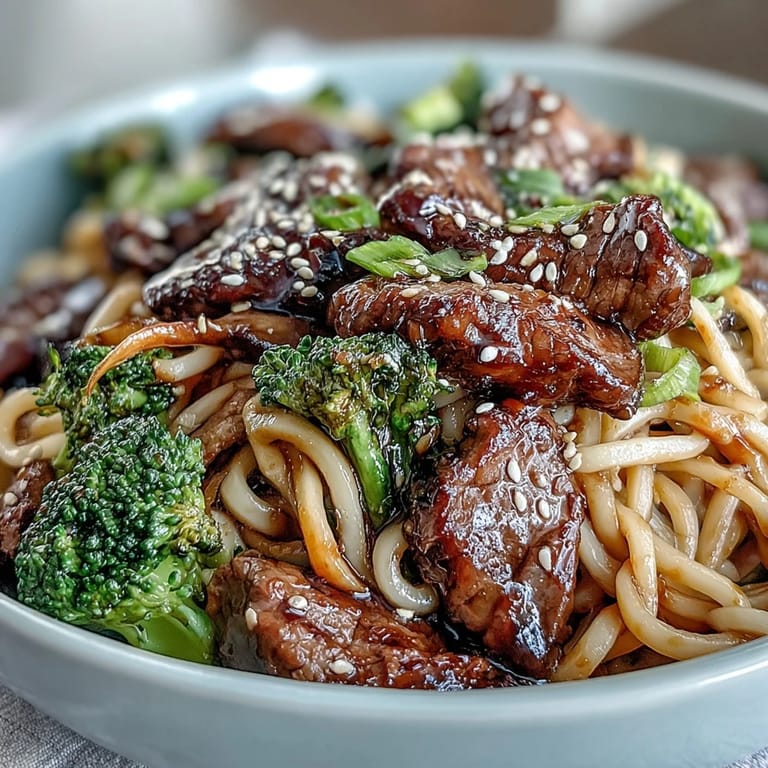
Save One rainy evening I made this for myself after a long day, and I ate it straight from the skillet while standing at the counter, watching the steam rise and listening to the rain tap against the window. It felt like the kind of meal that hugs you from the inside. That's when I realized this wasn't just dinner, it was comfort I could cook in under forty minutes whenever I needed it.
What to Serve With It
This dish is hearty enough to stand alone, but I sometimes set out a small bowl of kimchi on the side for people who want extra heat and tang. A simple cucumber salad dressed with rice vinegar and a pinch of salt adds a cool, crunchy contrast. If you're feeding a crowd, steamed edamame sprinkled with sea salt makes a great starter while you're finishing up the stir-fry. Sometimes I'll pour iced green tea or a cold beer, and that's all you need to make it feel like a complete meal.
How to Store and Reheat
Leftovers keep well in an airtight container in the fridge for up to three days, though the noodles soak up more sauce as they sit. When I reheat, I add a splash of water or a drizzle of sesame oil to a skillet over medium heat and toss everything gently until warmed through. Microwaving works in a pinch, but the skillet method brings back that fresh-cooked texture. I don't recommend freezing this because the noodles turn mushy and the vegetables lose their snap.
Make It Your Own
Once you've made this a few times, it becomes a template for whatever's in your fridge. I've swapped in snap peas, zucchini, and even thinly sliced cabbage when I didn't have broccoli. For protein, chicken thighs or firm tofu work just as well as flank steak, and shrimp cooks even faster if you're in a real hurry. If you like heat, stir a spoonful of gochujang or sriracha into the sauce before tossing it with the noodles.
- Try adding a handful of bean sprouts in the last minute of cooking for extra crunch.
- Swap rice noodles for udon or even spaghetti if that's what you have on hand.
- Finish with a soft-boiled egg on top for richness and a little extra protein.
 Save
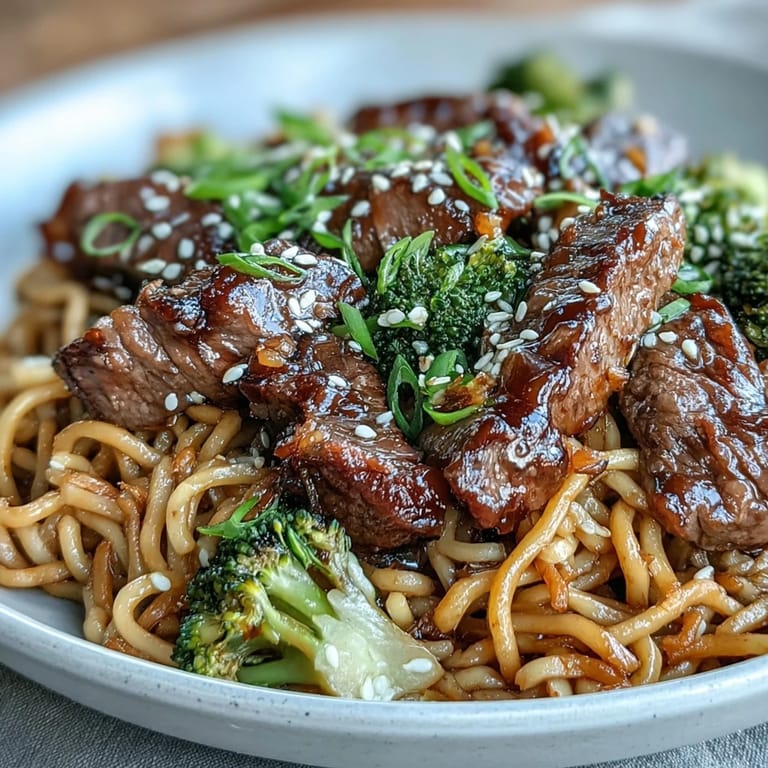
Save This recipe has become one of those reliable friends in my kitchen, the kind I turn to when I want something delicious without a lot of fuss. I hope it finds a spot in your rotation too.
Recipe Questions & Answers
- → Can I use a different cut of beef?
Yes, sirloin or ribeye work well as alternatives to flank steak. Slice thinly against the grain for tender results.
- → What can I substitute for rice noodles?
Udon noodles, soba noodles, or even spaghetti can work as substitutes, though cooking times may vary.
- → How do I make this dish spicier?
Add 1-2 tablespoons of gochujang or sriracha to the sauce, or sprinkle red pepper flakes while stir-frying.
- → Can I prepare this ahead of time?
You can prep vegetables and slice beef in advance. Cook fresh for best texture, though leftovers reheat well for up to 3 days.
- → Is this dish gluten-free?
Use tamari or gluten-free soy sauce and ensure rice noodles are certified gluten-free to make this dish suitable for gluten-free diets.
- → What vegetables work best for this stir-fry?
Snap peas, bok choy, mushrooms, and zucchini are excellent additions or substitutions that maintain the crisp-tender texture.