 Save
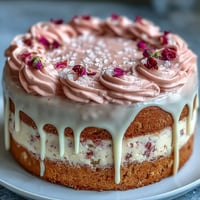
Save The scent of rosé lingering in the kitchen always surprises me—light, floral, a reminder that even cake can feel like a celebration. When I first played around with the idea of pink velvet, the goal wasn’t to impress anyone, but to capture that sense of occasion you get with a clink of glasses. My first attempt was clumsy: too much food coloring, not enough wine, the color more magenta than blush. Still, the laughter as I painted imperfect gold drips made the kitchen feel just right. There’s just something about a cake that sparkles that signals something special is about to happen.
One rainy afternoon, a close friend and I decided to test the gold drip together, spinning cake pans while debating if we should add rose petals. The kitchen felt like backstage before a fashion show, the two of us giggling as edible gold dust settled onto our arms and noses. Serving it later at the bridal shower, we caught each other’s eye when everyone oohed and paused, both of us biting back laughs remembering our glittery mess just hours before. The cake disappeared slice by slice, but I kept a rose-stained index card with our notes, still dusted in gold. This is a recipe that turns even a casual afternoon into something to remember.
Ingredients
- All-purpose flour: Sifting is key for that soft, cloudlike crumb—no shortcuts here, trust me.
- Granulated sugar: The foundation for sweetness and golden edges, just watch it dissolve in those wet ingredients for a fine texture.
- Baking soda: Just one teaspoon lifts the batter without making it dense.
- Fine salt: Don’t skip it—this tiny pinch is what sharpens all the flavors.
- Cocoa powder (unsweetened): Only a tablespoon, but it deeply tints the pink and brings a backbone of richness.
- Vegetable oil: For an ultra-moist, tender cake that stays soft even after chilling.
- Eggs, room temperature: These blend better and rise higher—crack them into a bowl first to make sure they’re perfect.
- Buttermilk, room temperature: Adds a lovely tang and reacts with vinegar to lift the cake.
- Rosé wine: Every batch tastes a bit different; I like dry or sparkling for gentle floral notes and a grown-up edge.
- Vanilla extract: Two teaspoons brings out the delicate pink and wine aromas—real vanilla makes a difference.
- White vinegar: This may seem odd, but it brightens the crumb and, with buttermilk, creates that classic velvet texture.
- Pink or rose gel food coloring: A few drops at a time—stir patiently and wait for your perfect blush.
- Unsalted butter, room temperature: The base for the buttercream—let it get truly soft for the silkiest results.
- Powdered sugar, sifted: Sifting means no lumps; add gradually and keep the sweetness balanced.
- Heavy cream: Adds richness to the gold drip—it sets with the chocolate for those perfect drops.
- White chocolate chips: Melts smoothly for drips—don’t overheat or it seizes.
- Edible gold luster dust: More than just decor, it’s pure celebration in a jar; make sure it’s labeled edible.
- Vodka or clear lemon extract: Turns the luster dust into paint—evaporates quickly, leaving only the shimmer behind.
- Salt (pinch in the buttercream): Don’t forget it or your frosting will taste flat.
Tired of Takeout? 🥡
Get 10 meals you can make faster than delivery arrives. Seriously.
One email. No spam. Unsubscribe anytime.
Instructions
- Set Up the Cake Pans:
- Line and grease your pans carefully—a wiggly parchment circle saves the cake every time.
- Blend the Dry Ingredients:
- Sifting the flour, sugar, and cocoa together fills the air with a sweet, chocolaty cloud—use the biggest bowl you’ve got.
- Whisk Wet Ingredients:
- Carefully mix eggs, buttermilk, rosé, oil, vanilla, and vinegar until smooth; it’ll smell faintly floral and sweet.
- Create the Batter:
- Combine wet and dry gently, then stir in the food coloring until you’ve got that perfect pink—you’ll know it when you see it.
- Bake:
- Divide evenly between pans and slide into the oven; watch the tops spring back with a gentle touch when done.
- Cool Completely:
- Let the cakes rest for a few minutes in the pans, then turn onto a rack and resist the urge to frost while they’re warm.
- Make the Buttercream:
- Beat butter until pillowy, then add powdered sugar slowly so your kitchen doesn’t look snowed in—add rosé last for a gorgeous blush.
- Frost the Layers:
- Level if needed, then build your layers with care, spreading an even layer of buttercream and stacking gently.
- Chill and Final Coat:
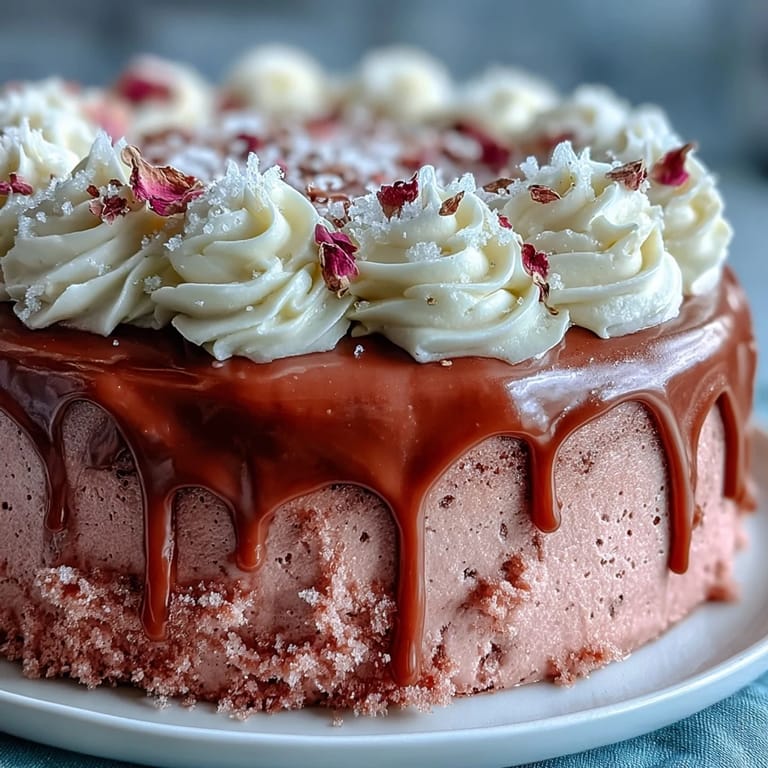
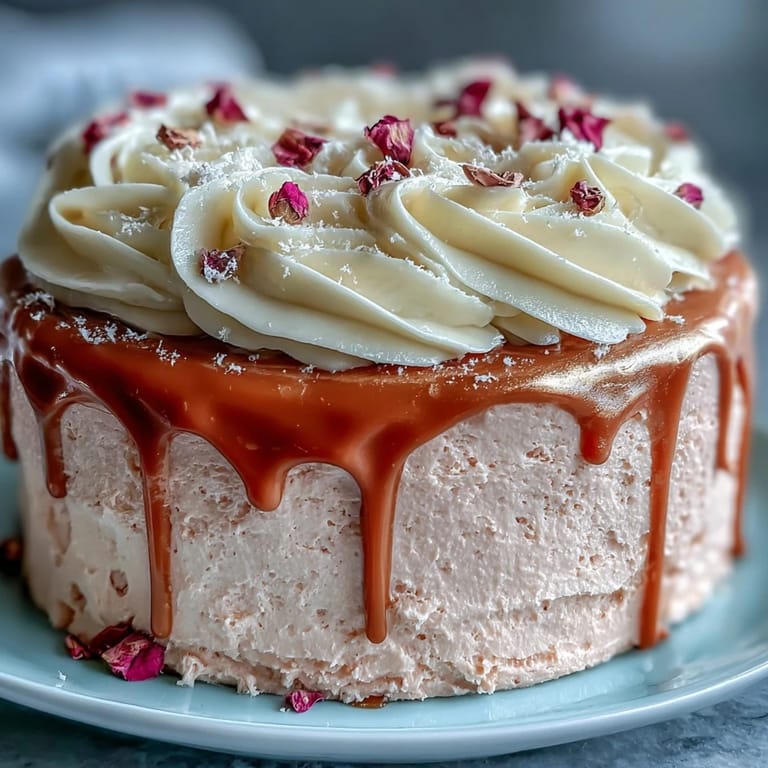
- Apply a crumb coat and chill for clean, bakery-style edges, then finish with a dramatic sweep of pink buttercream.
- Prepare the Gold Drip:
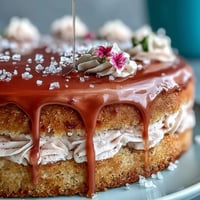
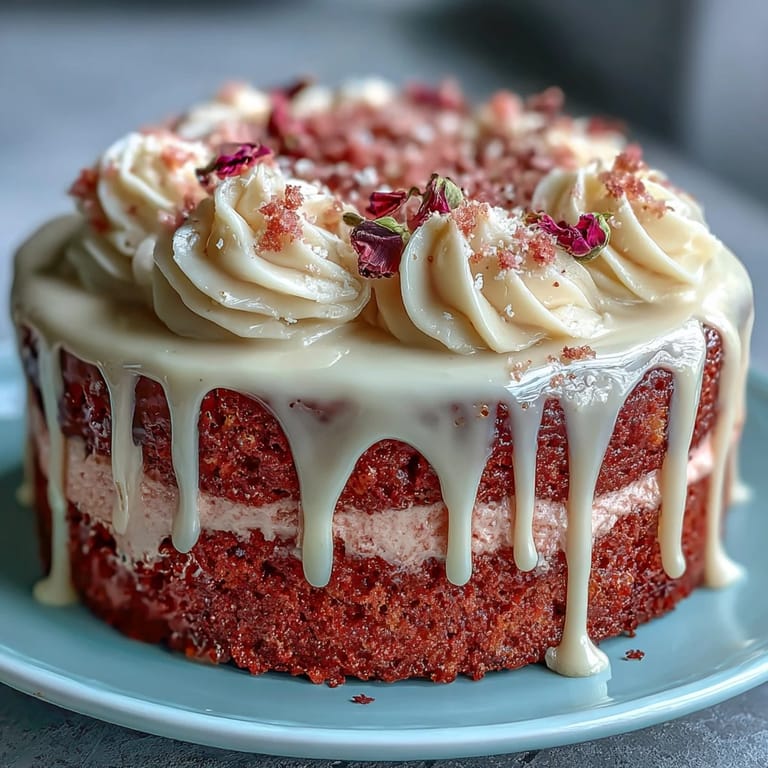
- Melt white chocolate and cream together; once it cools, drip elegantly over the sides of the cake for that signature finish.
- Paint the Gold:
- Mix edible gold luster with vodka and brush carefully onto the drips—every brushstroke feels like magic.
- Decorate:
- Add rose petals, berries, or more gold accents—stand back and admire your masterpiece before serving.
 Save
Save 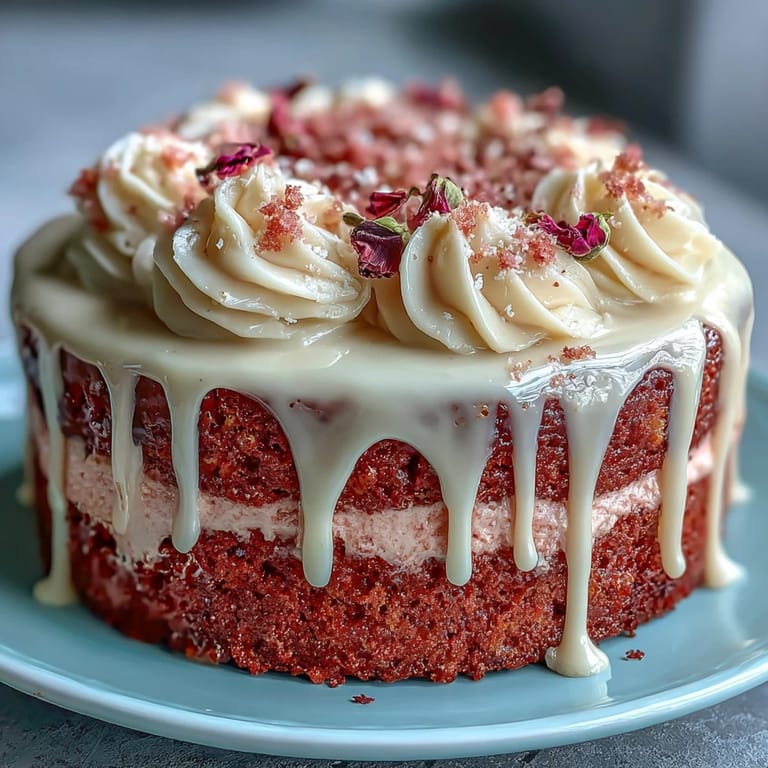 Save
Save At that bridal shower, I watched friends snap photos and sneak extra forkfuls, but what stuck with me was the whispered thanks from the bride. She said the cake made her feel like the day was entirely hers—glittering, unexpected, and unforgettable.
How to Choose the Right Rosé
After a few batches with different brands, I learned that a crisp, not-too-sweet rosé works perfectly—bold enough for flavor, subtle enough for cake. Sparkling rosé also adds tiny bubbles to the crumb, lifting each bite. Always taste the wine first; if you wouldn’t sip it on the porch, don’t bake with it.
Working with Luster Dust Safely
The first time I bought luster dust, I almost missed the crucial word: edible. Not all gold dusts are food-safe, so double check that label every time. A little goes a long way; just a pinch transforms plain white chocolate into something party-ready.
Troubleshooting Cake Assembly
Should your cake layers dome, don’t panic—leveling them with a serrated knife stops any tilting towers. If you find your buttercream splitting, a splash more rosé and vigorous beating usually smooths things out. The gold drip loves a chilled cake, so don’t rush the cooling between steps.
- Keep an offset spatula nearby for a smooth finish.
- You can assemble the layers ahead, but always drip gold the day of.
- Find a cake stand; the gold shines best a little higher up.
 Save
Save 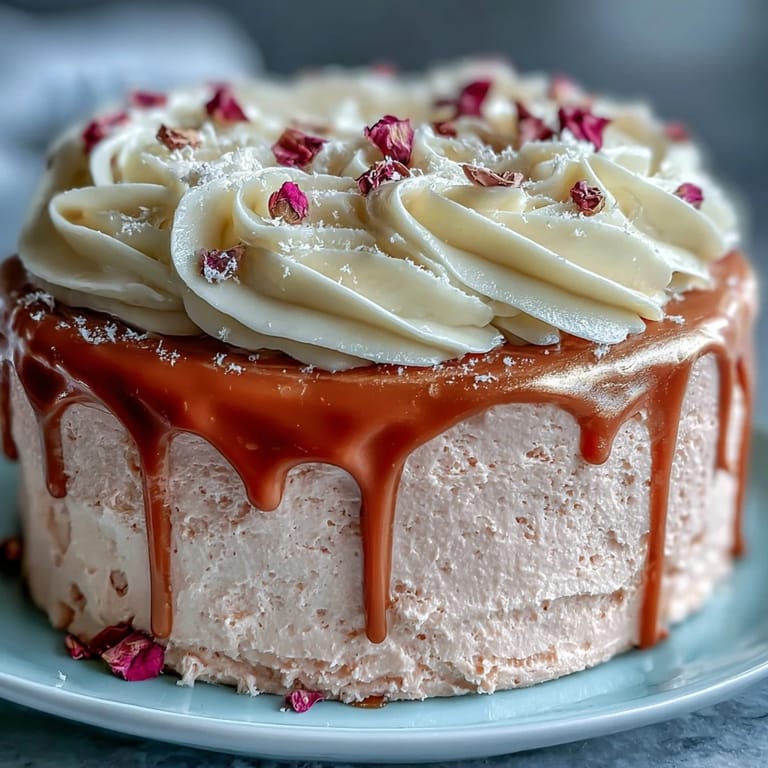 Save
Save This rosé velvet cake always seems to draw a crowd, glimmering gold and all. Wishing you many joyful reasons to celebrate, cake fork in hand.
Recipe Questions & Answers
- → Can I taste alcohol in the finished cake?
Using 1/2 cup of rosé yields a subtle, wine-forward floral note rather than a boozy flavor; most alcohol cooks off during baking, and the buttercream's balance further mellows the profile.
- → How do I get vibrant pink layers without oversaturating the batter?
Use gel food coloring a little at a time for an even hue; gentle mixing until just combined preserves crumb structure while achieving a bright rose shade.
- → What’s the best way to achieve a smooth gold drip?
Melt white chocolate with cream and cool slightly before pouring so it’s viscous but not runny. After it sets, mix edible gold luster dust with a small amount of clear alcohol or lemon extract to paint the drips for a refined metallic sheen.
- → How should I store and serve the cake?
Refrigerate if assembled more than a few hours ahead; bring to room temperature before serving for optimal texture and flavor. Store covered to prevent drying and to protect the gold finish.
- → Can I substitute nonalcoholic liquid for the rosé?
Yes—use a mix of white grape juice and a splash of lemon for brightness or a rosé-flavored syrup to maintain the floral-fruit notes while keeping alcohol out.
- → Any tips for stacking and achieving clean edges?
Level layers, use a thin crumb coat and chill for at least 20 minutes before applying the final buttercream. Chilling between steps firms the cake and helps you get sharp edges and an even drip.